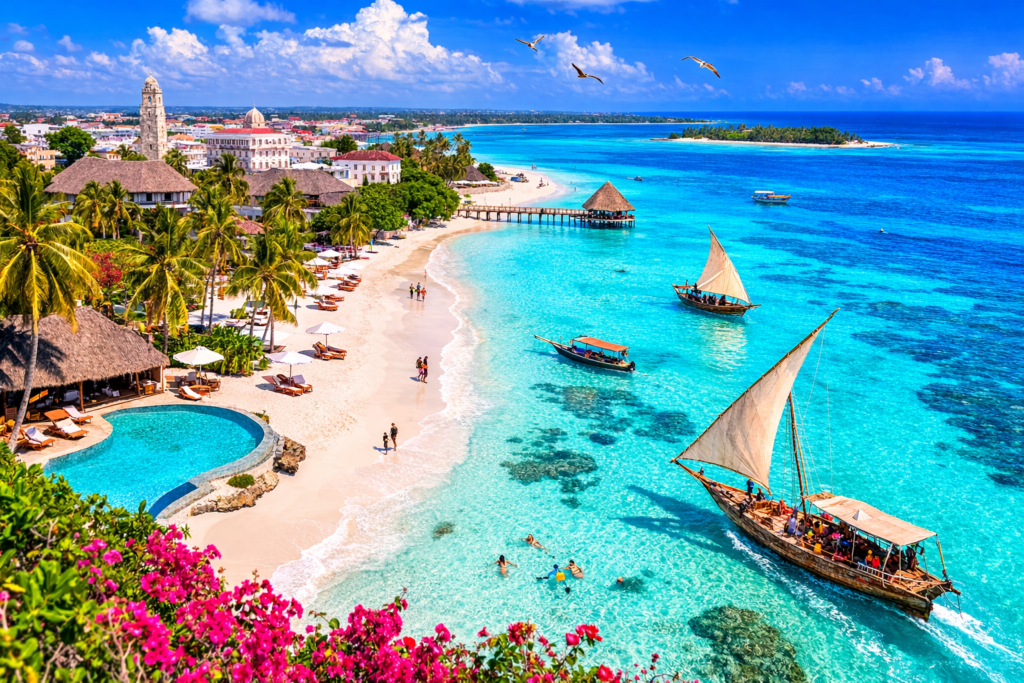
Zanzibar, an island paradise off the coast of Tanzania, is one of the most fascinating destinations in East Africa. Known for its turquoise waters, aromatic spice farms, and centuries-old heritage, the island blends African, Arab, Persian, and European influences. The historic Stone Town, a UNESCO World Heritage Site, reflects this cultural fusion through its narrow streets, carved wooden doors, and historic landmarks. Travelers looking for a mix of culture, beaches, and adventure will find Zanzibar to be an unforgettable destination
Ancient and Pre-Islamic Period
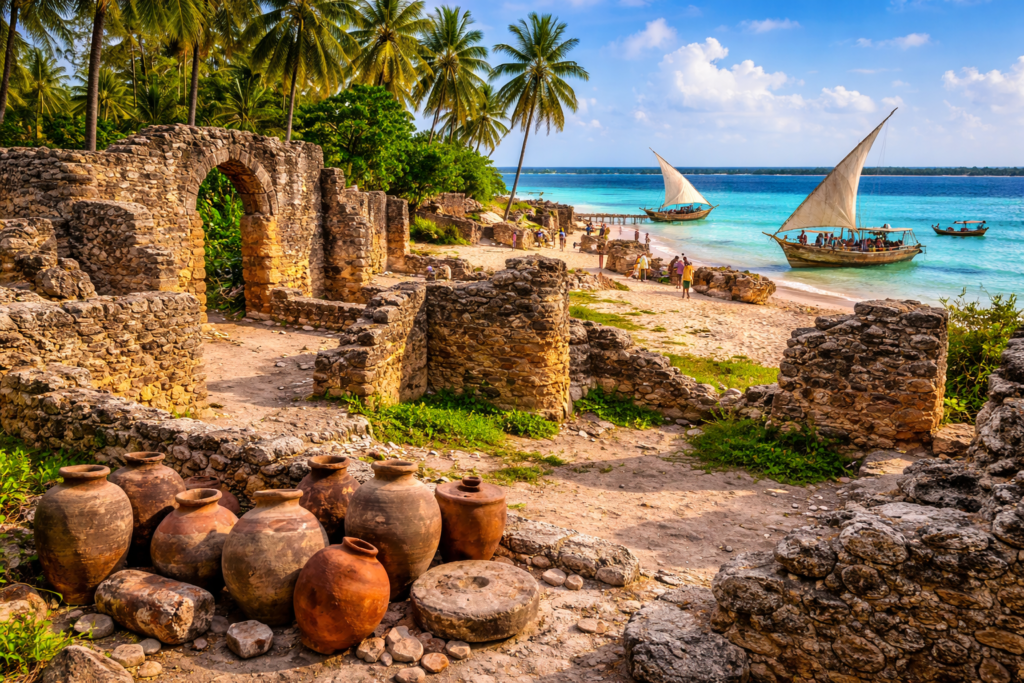
Long before the arrival of foreign traders, Zanzibar was inhabited by African Bantu communities who depended on fishing, farming, and coastal trade. Archaeological discoveries show that early settlements on the islands were connected to mainland East Africa through Indian Ocean trade routes. Communities exchanged goods such as ivory, shells, and agricultural products with traders from distant regions.
These early societies established the foundations of Zanzibar’s multicultural identity. If you are interested in exploring other destinations with rich African heritage, check out our guide to East African cultural destinations.
Islamic and Swahili Era
From around the 10th century, traders from Arabia and Persia began settling along the East African coast. Their influence led to the emergence of the Swahili civilization, a unique blend of African traditions and Islamic culture. During this era, Islam spread widely across the islands, and Swahili became the dominant language used for trade and communication.
Coastal towns developed into thriving commercial centers linking Africa with the Middle East and Asia. The architecture, cuisine, and traditions that developed during this period remain visible across Zanzibar today.
For travelers interested in historical towns, you may also enjoy our guide to the best historic cities to visit in Africa.
Portuguese Rule
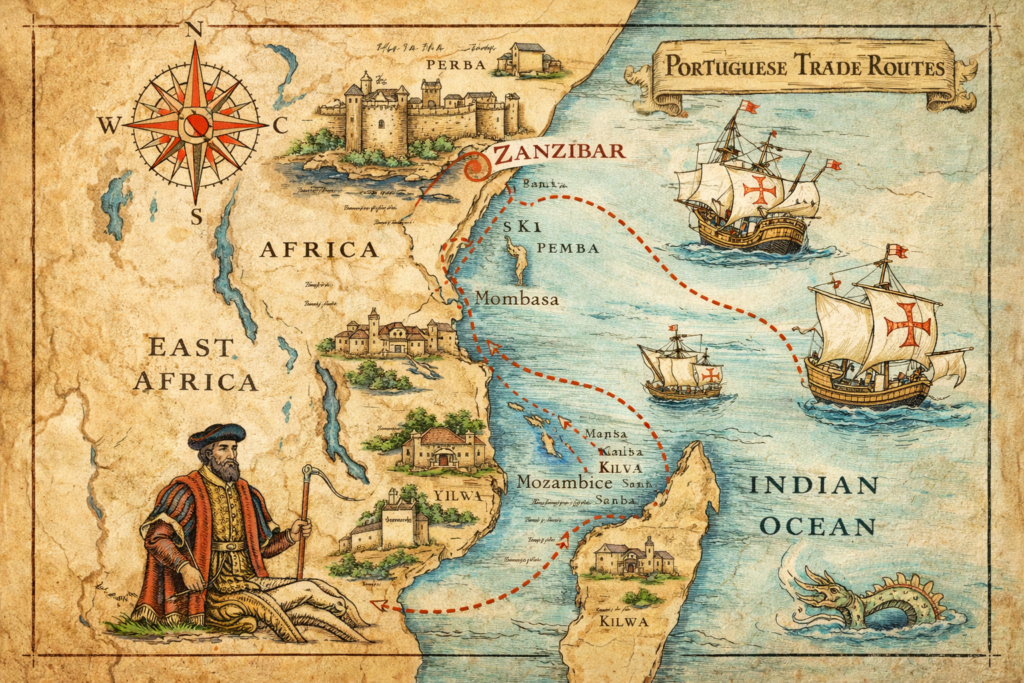
The arrival of Portuguese explorer Vasco da Gama in 1498 marked the beginning of European influence on the East African coast. Soon afterward, Portugal established control over Zanzibar and several coastal trading ports. For about two centuries, the Portuguese dominated the regional trade routes and used the islands as strategic outposts in the Indian Ocean.
However, their control was constantly challenged by local rulers and regional powers, eventually weakening their hold over the region.
Omani Arab Rule
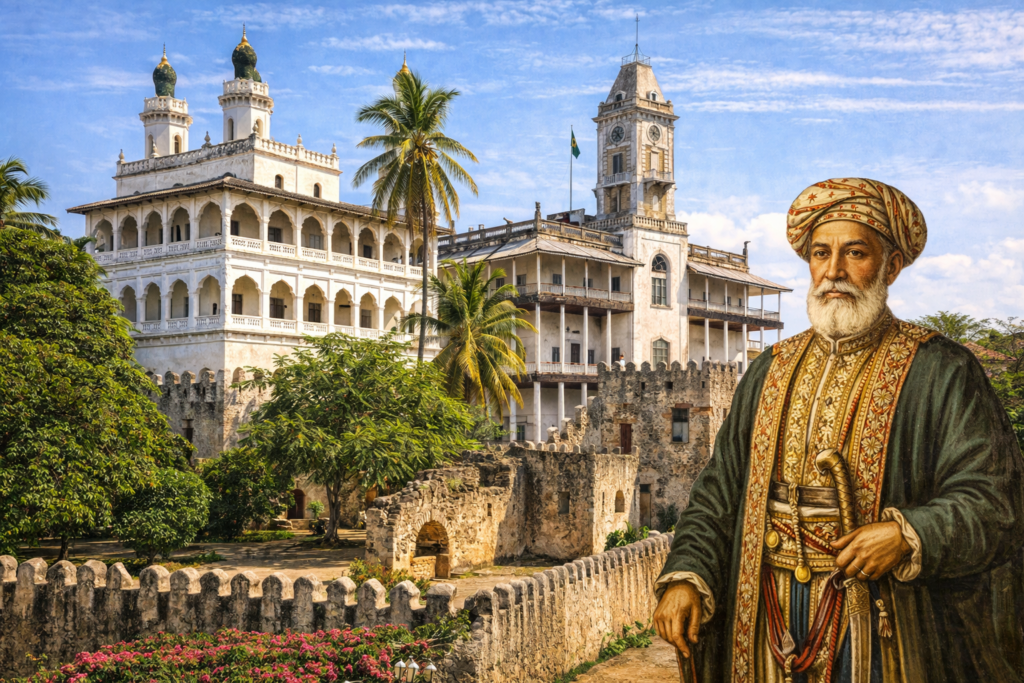
In 1698, forces from Oman expelled the Portuguese and brought Zanzibar under Omani rule. Under Sayyid Said bin Sultan, who moved his capital to Zanzibar in the 19th century, the island became one of the most important trading centers in the Indian Ocean.
Clove plantations expanded rapidly, and Zanzibar earned the nickname “Spice Island.” Trade in spices, ivory, and other commodities brought great wealth to the island. Today, travelers can still experience this legacy through spice farm tours. You can learn more in our guide to the best spice tours in Zanzibar.
British Protectorate
In 1890, Zanzibar became a British protectorate following the Heligoland-Zanzibar Treaty. Although the Sultan remained the symbolic ruler, the British controlled political and economic affairs.
During this period, the British administration abolished the slave trade and introduced new governance systems and infrastructure. One famous historical event during this era was the Anglo-Zanzibar War, which lasted less than an hour and is considered the shortest war in recorded history.
Revolution and Union with Tanganyika
Zanzibar gained independence from Britain in December 1963. However, political tensions quickly led to the Zanzibar Revolution, which overthrew the ruling sultanate.
Shortly afterward, Zanzibar united with Tanganyika in 1964 to form the modern nation of Tanzania. Despite this union, Zanzibar maintains a semi-autonomous government and preserves its unique cultural identity.
Modern Zanzibar
Today, Zanzibar is one of Africa’s leading island tourism destinations. The island attracts travelers seeking tropical beaches, historic architecture, and cultural experiences.
Tourism, fishing, and spice farming remain important pillars of the economy. If you are planning a trip to East Africa, you might also enjoy our guide on how to plan a perfect island vacation.
Luxury Beachfront Resorts
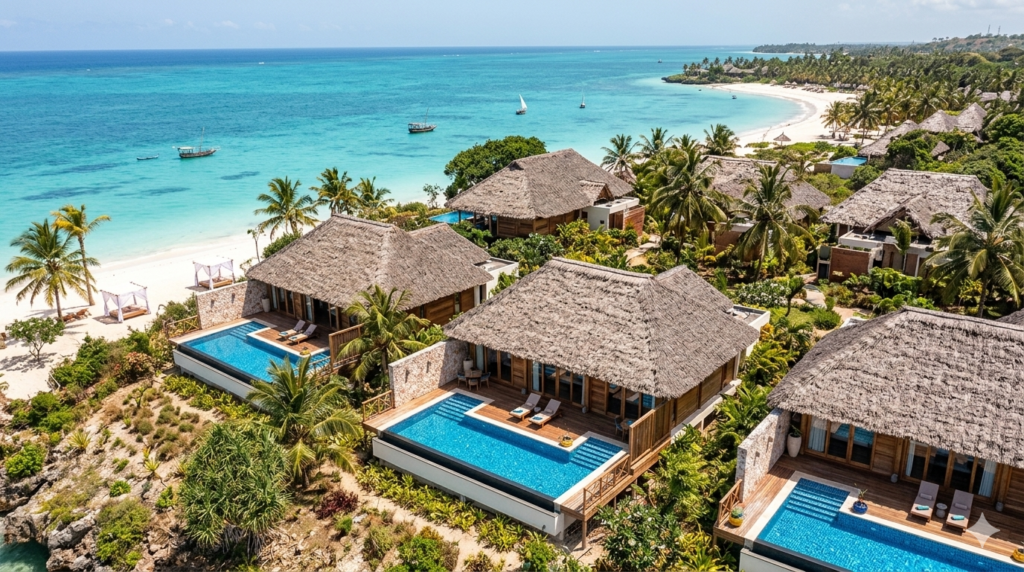
Zanzibar is home to some of the most luxurious beachfront resorts in East Africa. Resorts like Zuri Zanzibar, The Residence Zanzibar, and Baraza Resort and Spa offer private villas, oceanfront pools, spa treatments, and exceptional dining experiences.
These resorts are ideal for honeymooners and travelers seeking a relaxing luxury escape.
For more accommodation ideas, check out our guide to the best luxury island resorts in Africa.
Midrange and Boutique Options
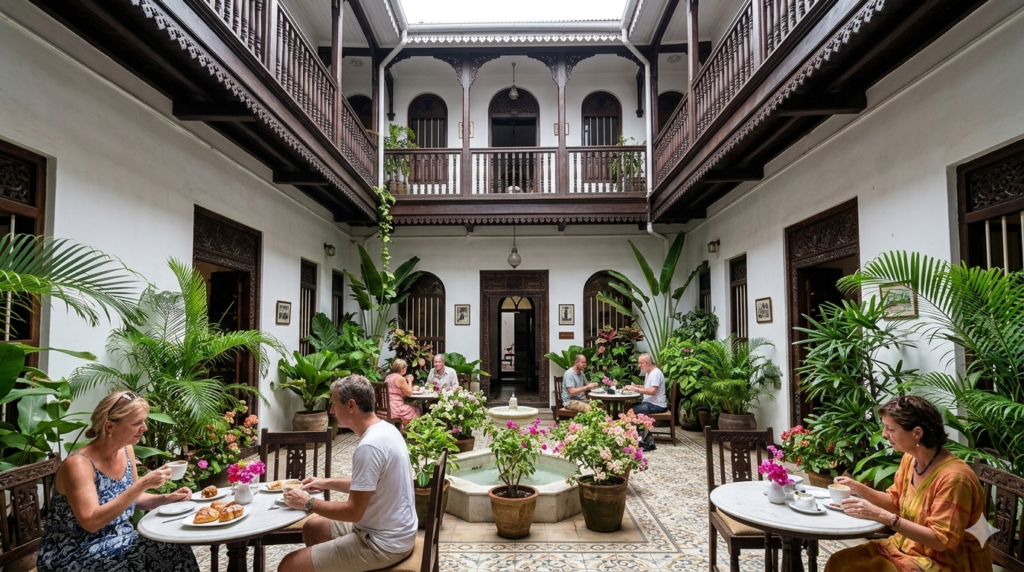
Travelers looking for stylish yet affordable accommodations will find plenty of boutique hotels in Zanzibar. Properties such as Zanzibar Coffee House and Emerson on Hurumzi combine traditional Swahili architecture with modern comforts.
These hotels often provide a more intimate and authentic experience compared to large resorts.
Budget-Friendly Stays
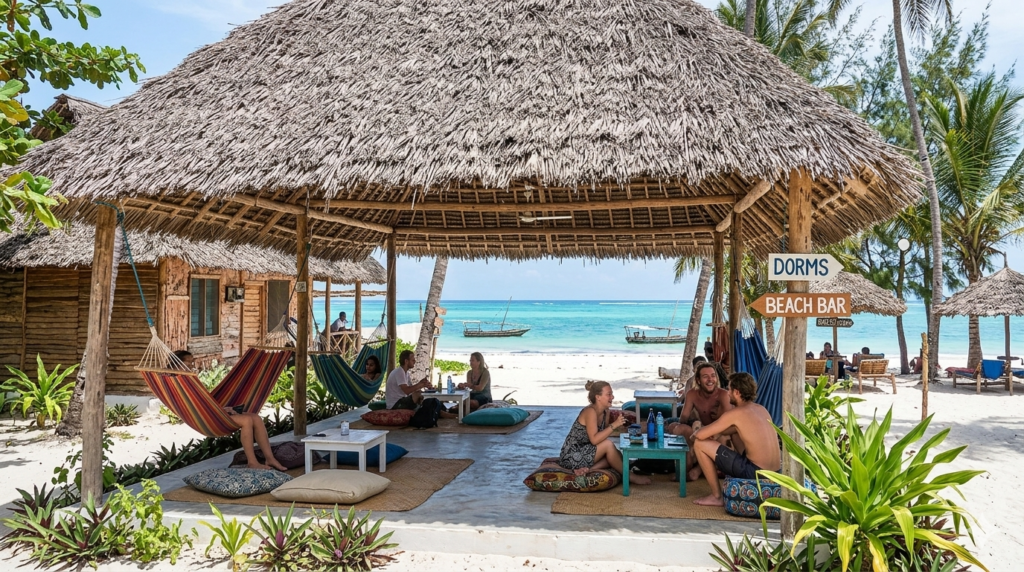
Budget travelers can also find comfortable accommodations throughout Zanzibar. Hostels and guesthouses such as Lost & Found Hostel Zanzibar and New Teddy’s on the Beach offer affordable options close to major attractions and beaches.
If you’re traveling on a budget, our article on how to travel East Africa on a budget may help you plan your trip.
Top Restaurants in Zanzibar
Zanzibar’s cuisine is a flavorful blend of African, Indian, and Middle Eastern influences. One of the island’s most famous dining spots is The Rock Restaurant Zanzibar, which sits on a rock in the ocean and offers stunning views.
Other popular dining locations include Lukmaan Restaurant for authentic local dishes and Emerson Spice Tea House Restaurant, known for its rooftop dining experience.
Cultural and Historical Attractions
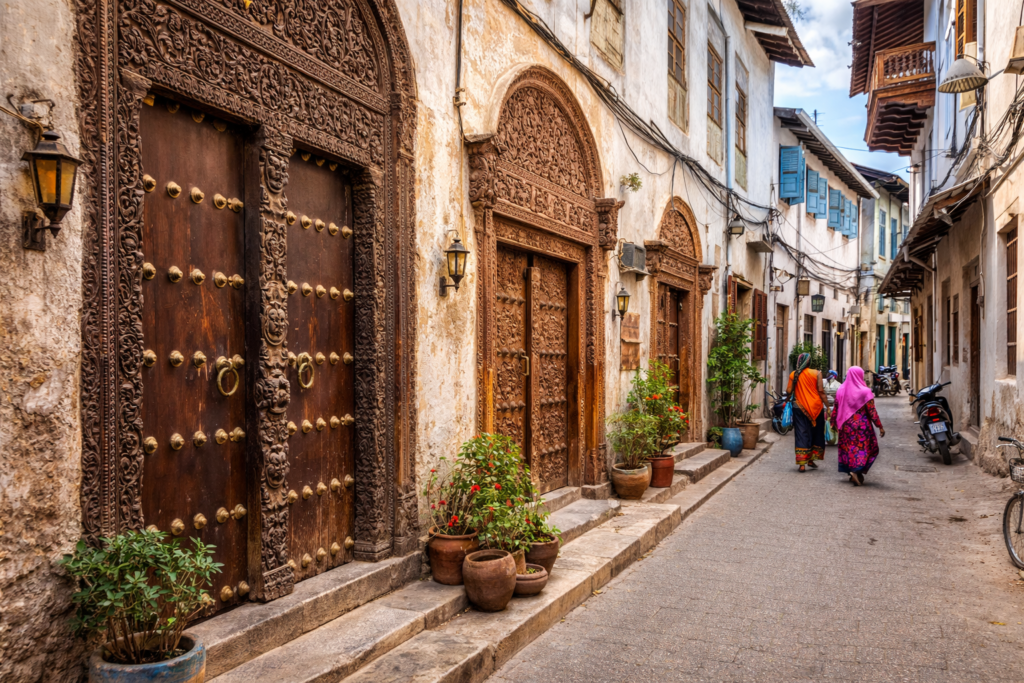
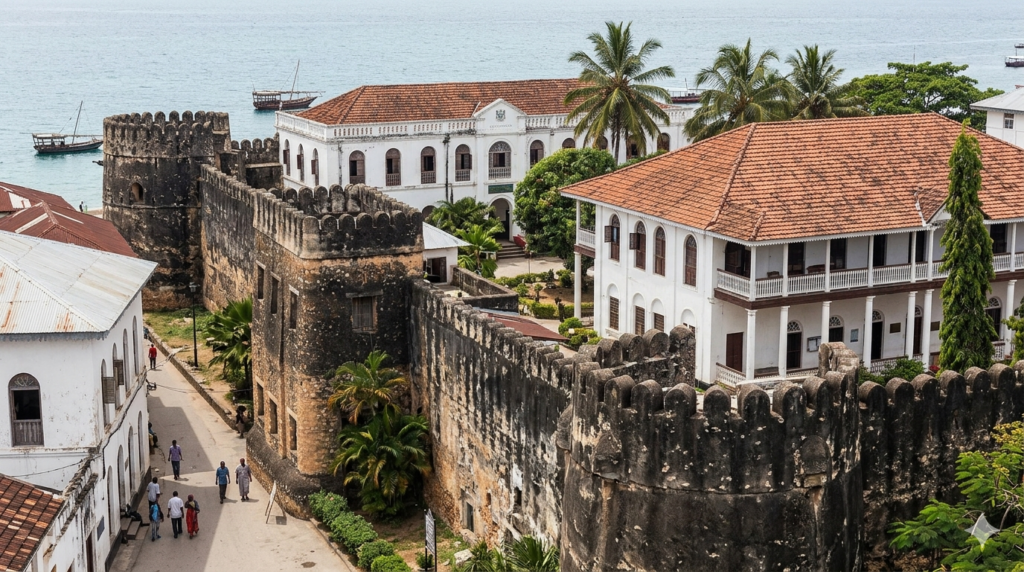
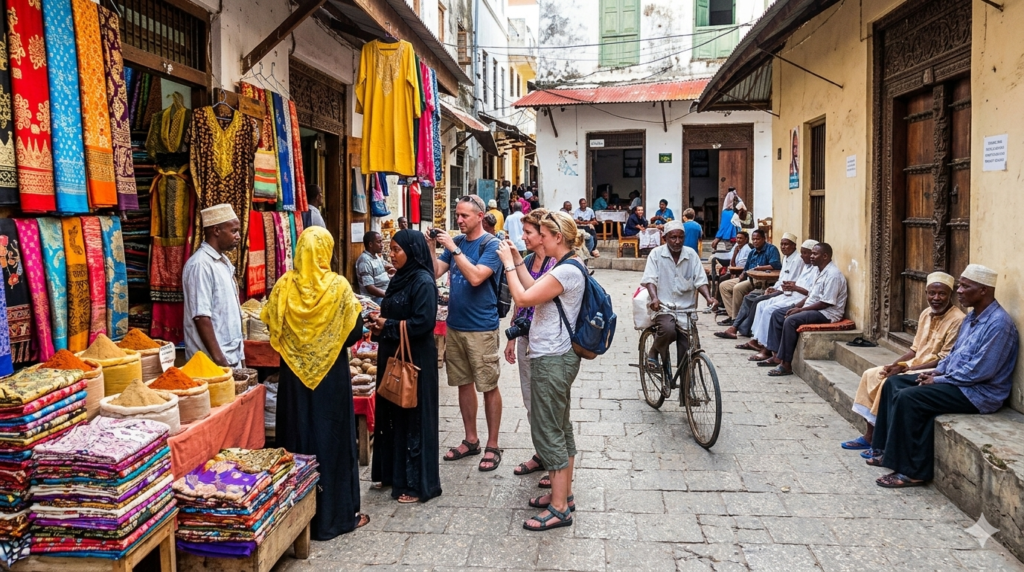
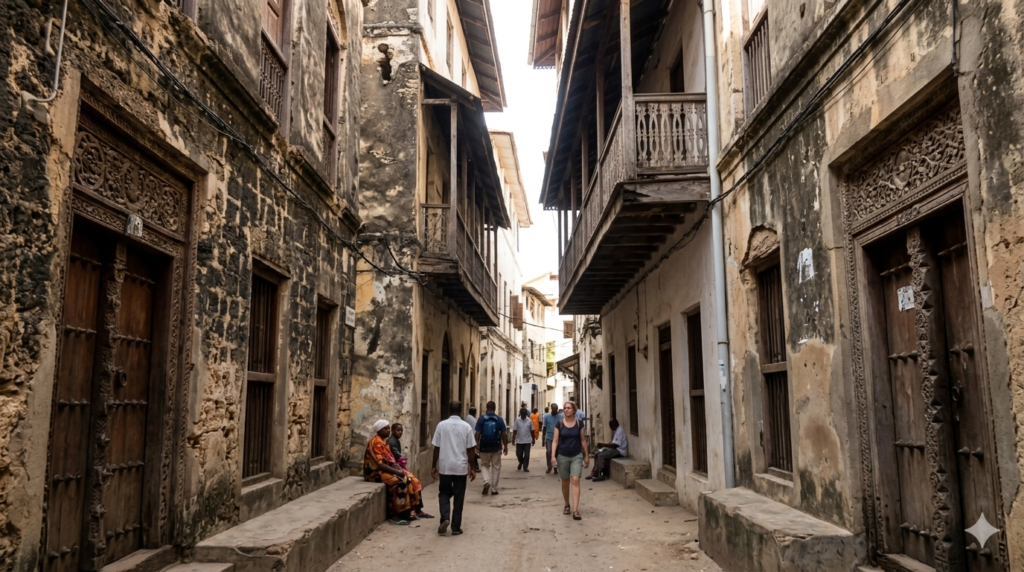
Exploring Stone Town is undoubtedly the crown jewel of any Zanzibar itinerary. As you wander through its labyrinthine alleys, you’ll encounter a sensory blend of African, Arab, and Indian influences, visible in everything from the famous intricately carved teak doors to the aromatic spice markets. This UNESCO World Heritage site isn’t just a neighborhood; it’s a living museum where the architecture and local customs offer a window into the island’s vibrant, multicultural soul.
Key attractions include the House of Wonders, known for its grand proportions, and the Old Fort, a heavy-set stone fortification that now hosts lively cultural festivals. From the somber history of the Former Slave Market to the regal elegance of the Sultan’s Palace, these sites provide essential context to the island’s evolution. For those interested in further exploration, see our guide to other UNESCO heritage sites in Africa
Beaches and Islands
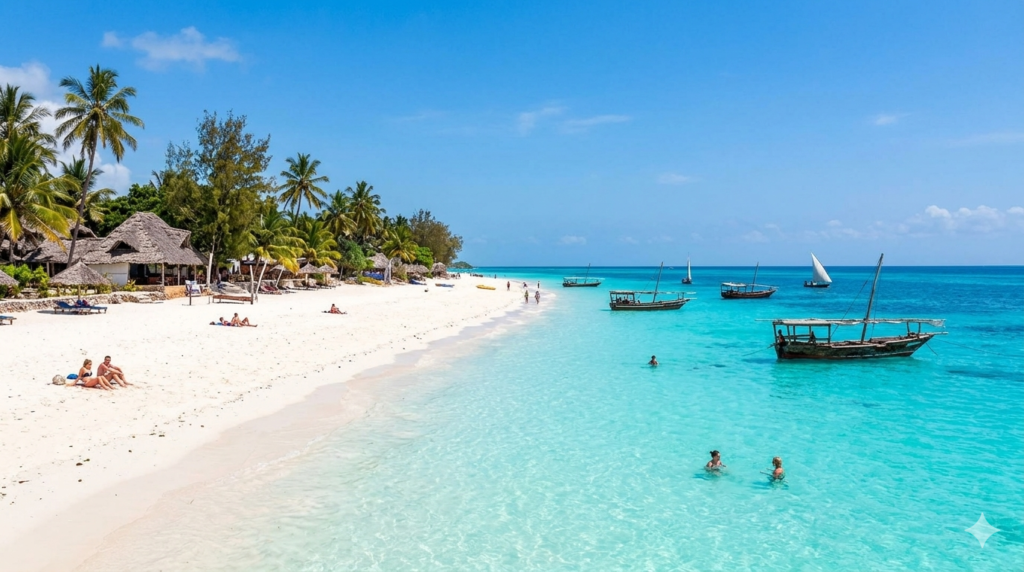
Zanzibar’s coastline is world-renowned for its powdery white sands and vibrant turquoise waters. While Nungwi and Kendwa Beaches are the premier spots for swimming and golden sunsets, Paje Beach attracts kite surfers and adventure seekers with its consistent trade winds. Just offshore, the pristine Mnemba Island offers some of the region’s best snorkeling and diving among colorful coral reefs. For more coastal inspiration, you may also enjoy our guide on the best beaches in East Africa.
Nature and Wildlife
Nature enthusiasts should visit Jozani Chwaka Bay National Park, Zanzibar’s only national park and a vital sanctuary for the island’s unique biodiversity. This UNESCO Biosphere Reserve is the last remaining stronghold of the rare Zanzibar red colobus monkey, an endangered primate found nowhere else on Earth.
Beyond its famous residents, the park features elevated boardwalks through lush mangrove forests and winding nature trails. These diverse ecosystems support over 160 bird species and Sykes’ monkeys, making it a premier destination for eco-tourism and those looking to explore the island’s wild interior.
Special Experiences
Zanzibar offers unique ways to immerse yourself in its culture and nature. A spice plantation tour reveals the aromatic cloves and nutmeg that gave the “Spice Island” its name, while a sunset dhow cruise provides a serene view of the coast from a traditional wooden sailing vessel.
For aquatic adventures, dolphin watching near Kizimkazi offers a chance to see these marine mammals in their natural habitat. Additionally, snorkeling and diving at Mnemba Atoll reveal spectacular coral reefs teeming with tropical fish, making it a premier destination for ocean lovers
Relaxation and Wellness
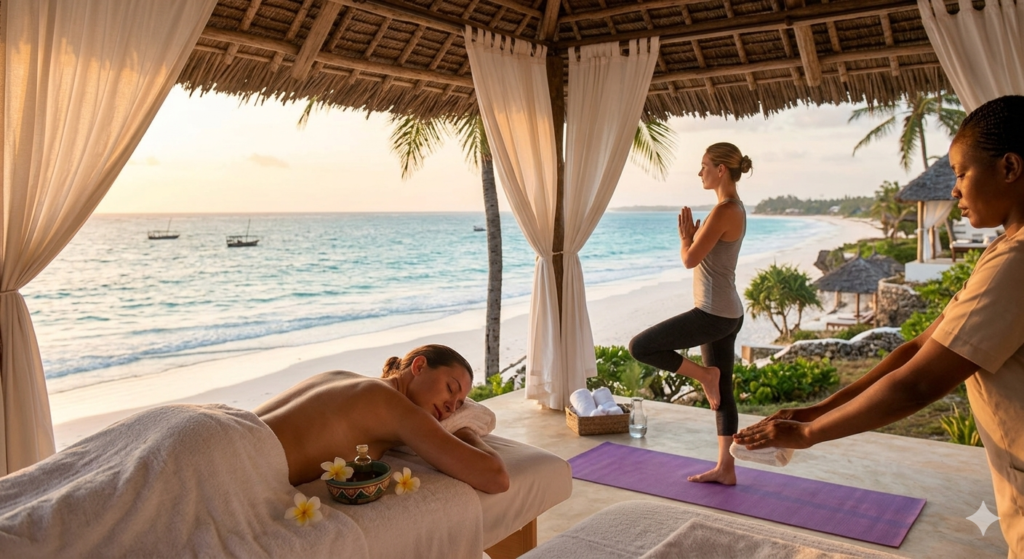
For travellers seeking a true tropical escape, Zanzibar offers a serene environment dedicated to restoration and peace. Many of the island’s premier resorts feature world-class spa treatments, holistic yoga sessions, and full wellness retreats that overlook the turquoise expanse of the Indian Ocean. These sanctuaries often incorporate local ingredients like sea salt, cloves, and coconut oil into their therapies, blending traditional healing with modern luxury.
Visitors can further unwind with beachside massages, guided meditation sessions, or simple, peaceful walks along the soft white sands at dawn. Whether you are looking for a structured wellness program or just a quiet corner to disconnect, the island’s rhythmic tides and tranquil atmosphere make it an ideal destination for deep rejuvenation.

Your Passport to Paradise Starts Here
Zanzibar is far more than a destination; it is a sensory journey where the echoes of ancient history meet the rhythmic pulses of the Indian Ocean. Whether you are getting lost in the spice-scented alleys of Stone Town, finding zen on the sun-drenched shores of Nungwi, or uncovering the wild secrets of Jozani Forest, this island offers a profound escape that stays with you long after the sand has been washed away.
Ready to turn these tropical dreams into a reality? Tripzoori is your preferred booking platform for crafting the ultimate Zanzibar adventure. From securing boutique beachfront villas to arranging exclusive private spice tours, Tripzoori simplifies every detail so you can focus on the experience. Start your journey today and discover why Zanzibar remains the most enchanting jewel of the East African coast