Prehistoric Period Era
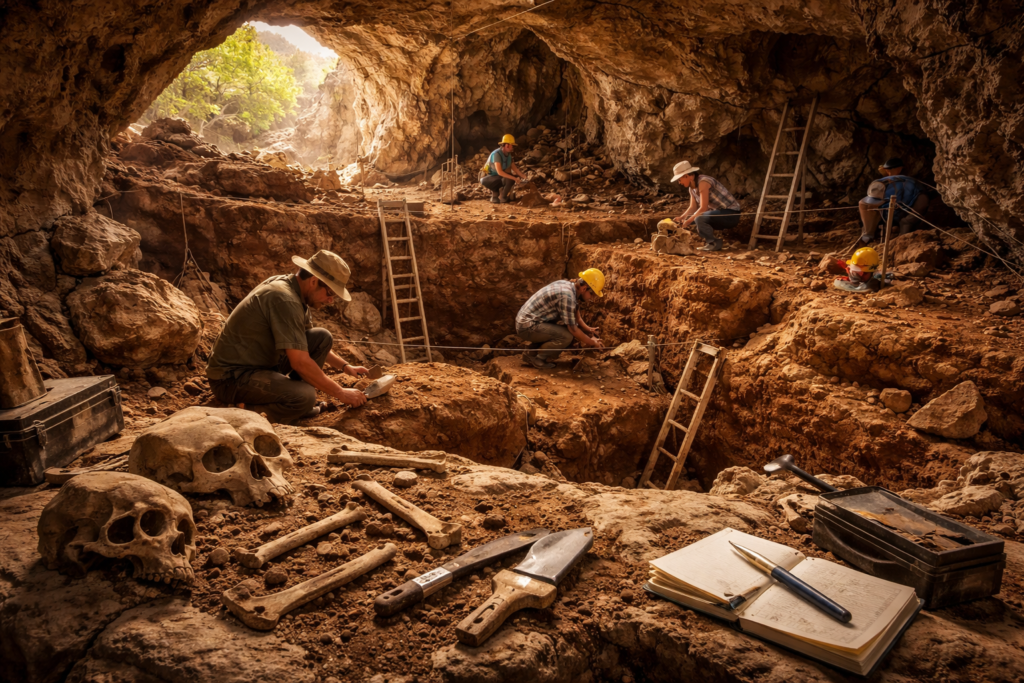
South Africa’s story begins millions of years ago, making it one of the most significant regions in the study of human origins. The Cradle of Humankind is a UNESCO World Heritage Site where some of the oldest hominid fossils have been discovered, offering invaluable insight into early human evolution. These discoveries reveal how early humans lived, adapted, and survived in changing environments. Indigenous groups such as the San and Khoikhoi developed rich cultural traditions, including intricate rock art that still survives today in caves and rock shelters. These artworks not only reflect their daily lives but also their spiritual beliefs, making South Africa a living museum of prehistoric heritage.
British Colonization
The arrival of the British in the early 19th century marked a significant turning point in South Africa’s history, bringing with it major political, economic, and social changes. As the British expanded their control over the region, tensions grew between them and the Dutch-descended Boers, leading to a series of conflicts known as the Anglo-Boer Wars.
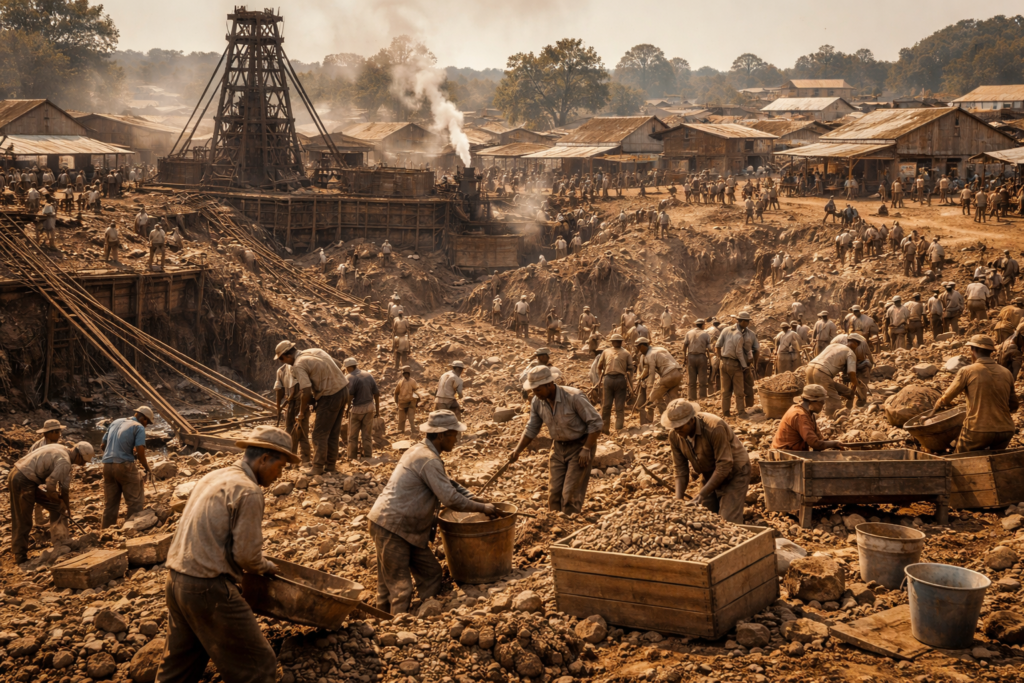
The discovery of diamonds in Kimberley and gold in Johannesburg transformed the country into a global economic hub, attracting settlers, labourers, and investors from around the world. However, this rapid development came at a cost, as indigenous populations were displaced and subjected to increasing levels of inequality and exploitation.
Union of South Africa
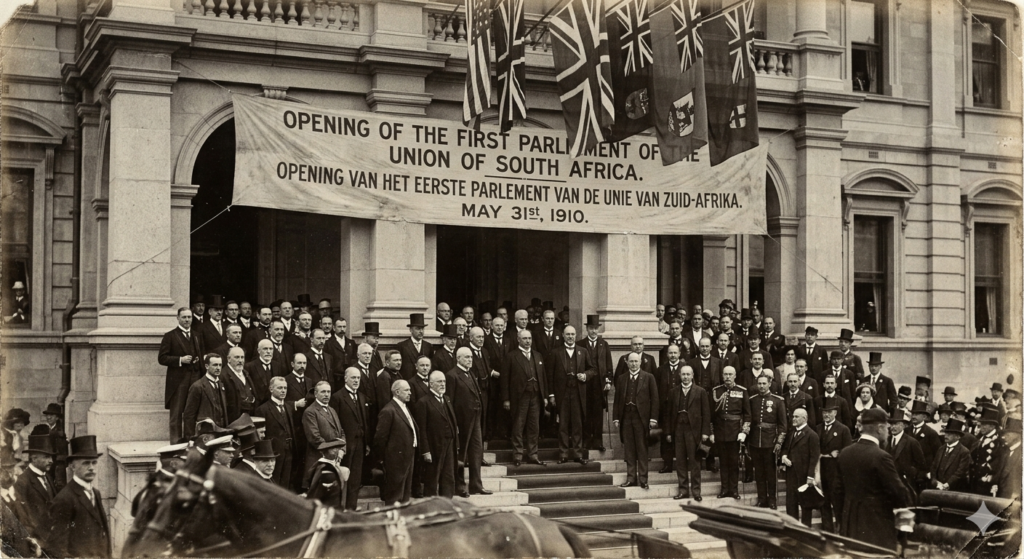
In 1910, the formation of the Union of South Africa brought together British colonies and Boer republics under a single government. While this union marked a step toward political consolidation and self-governance, it largely benefited the white minority population. Black South Africans and other racial groups were systematically excluded from meaningful political participation and decision-making processes. This period laid the foundation for institutionalized racial segregation, as laws and policies were introduced to limit the rights and freedoms of non-white citizens, setting the stage for the apartheid system that would follow.
Apartheid Era
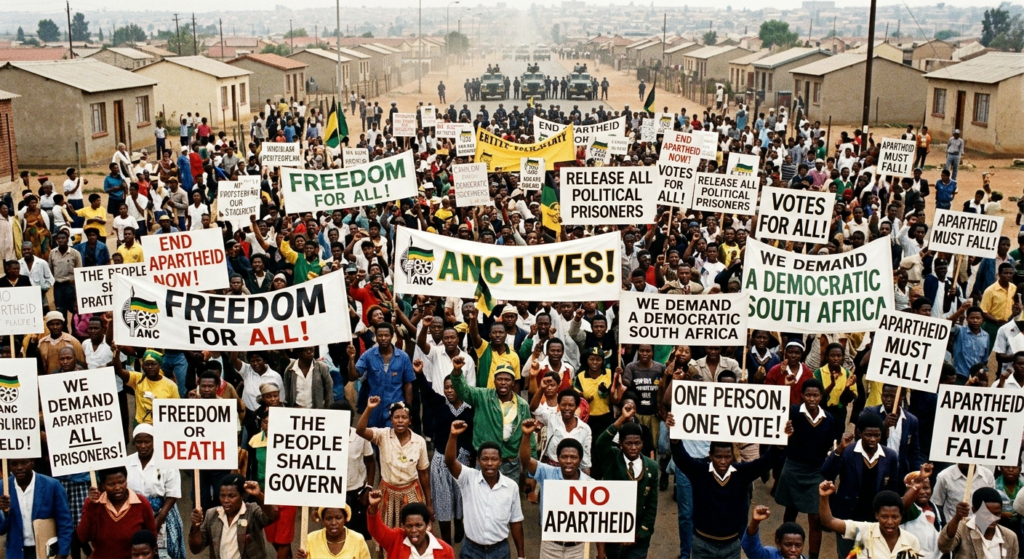
The implementation of Apartheid in 1948 formalized racial discrimination and segregation in South Africa, deeply affecting every aspect of life. Under this system, people were classified by race, and strict laws determined where they could live, work, and even whom they could marry. Non-white populations were forcibly removed from their homes and relocated to underdeveloped areas, often far from economic opportunities.
Despite these hardships, resistance movements grew stronger over time, led by influential figures such as Nelson Mandela. His imprisonment and eventual release became powerful symbols of the struggle for justice, inspiring both national and global efforts to end apartheid.
Democratic South Africa
The year 1994 marked a historic turning point when South Africa held its first democratic elections, allowing citizens of all races to vote. The election of Nelson Mandela as the country’s first Black president symbolized hope, reconciliation, and a new beginning. Since then, South Africa has worked toward building a more inclusive and equitable society, often referred to as the “Rainbow Nation.” While challenges such as inequality and unemployment persist, the country continues to make progress through democratic governance, cultural diversity, and a strong sense of national identity.
Top Hotels in South Africa
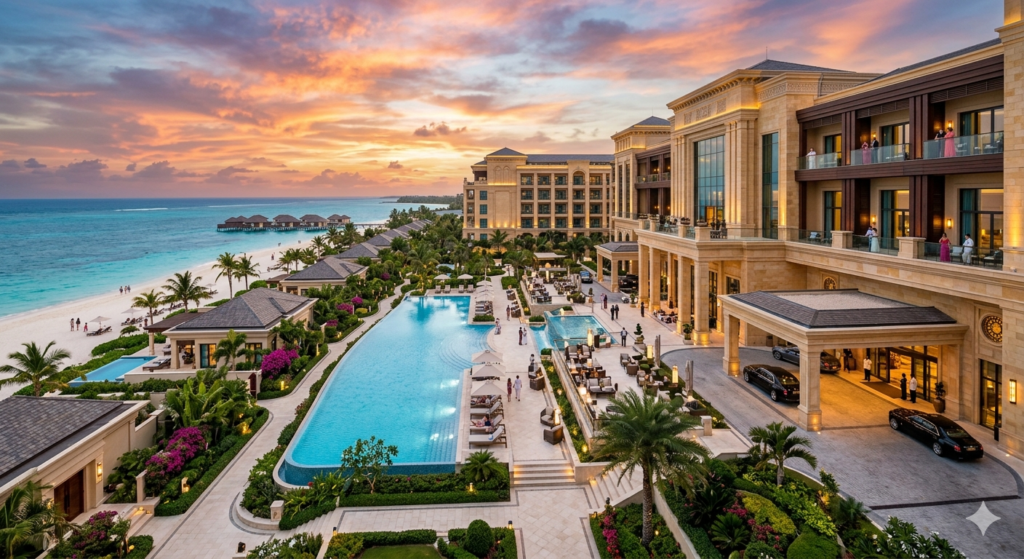
South Africa offers a wide range of luxurious and unique accommodation options that cater to different tastes and travel styles. The Silo Hotel stands out for its striking architecture and breathtaking views of Table Mountain and the city skyline, making it a favorite among luxury travelers.
Sun City Resort is more than just a hotel—it is a complete entertainment destination featuring casinos, golf courses, and family-friendly attractions. Meanwhile, The Oyster Box offers a blend of colonial charm and modern elegance, with its iconic location overlooking the Indian Ocean providing guests with a truly relaxing coastal experience.
Wine Country Retreats
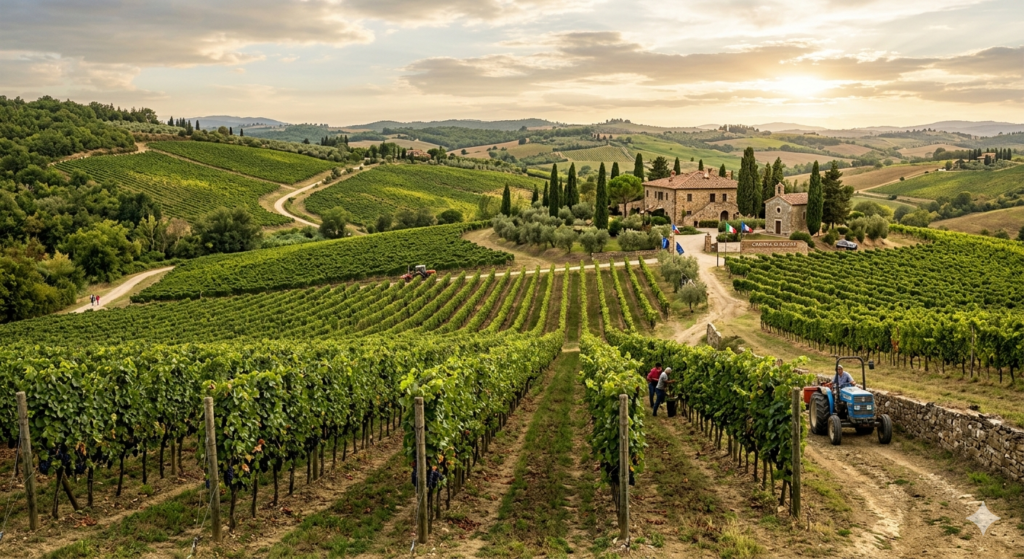
South Africa’s wine regions are among the most celebrated in the world, offering not only exceptional wines but also stunning landscapes and luxurious retreats. Stellenbosch is known for its historic vineyards, oak-lined streets, and Cape Dutch architecture, creating a charming and sophisticated atmosphere. Visitors can enjoy wine tastings, cellar tours, and gourmet dining experiences. Similarly, Franschhoek, often referred to as the food and wine capital of South Africa, offers a rich blend of French heritage, world-class cuisine, and boutique wineries. These regions provide the perfect escape for travelers looking to relax and indulge in fine wine and scenic beauty.
Coastal Escapes
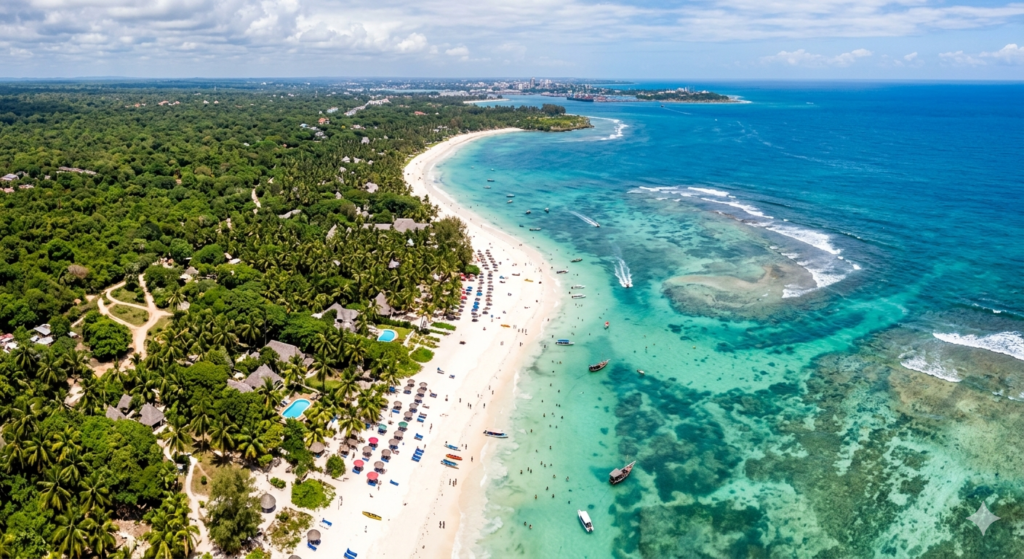
South Africa’s coastline stretches for thousands of kilometers, offering diverse and breathtaking seaside destinations. The Garden Route is one of the most popular scenic drives in the country, featuring a mix of lush forests, lagoons, and dramatic ocean views. It is ideal for road trips, outdoor adventures, and nature exploration. On the eastern coast, Durban is known for its warm climate, golden beaches, and vibrant cultural scene influenced by Indian, Zulu, and colonial heritage. Whether you’re looking to surf, relax, or explore, South Africa’s coastal destinations offer something for everyone.

Nature & Mountain Retreats
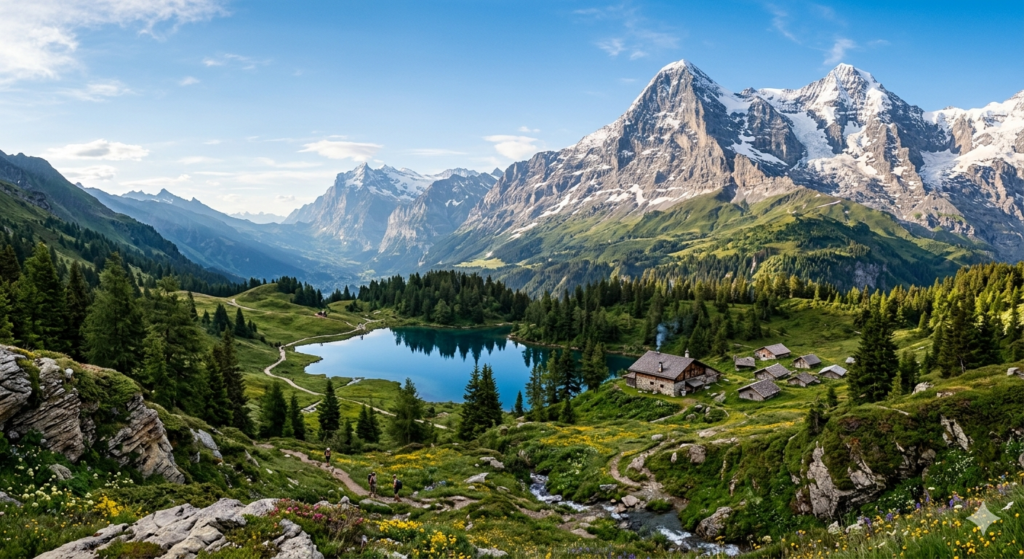
For nature lovers and adventure seekers, South Africa’s mountains and natural landscapes provide endless opportunities for exploration. Table Mountain is one of the country’s most iconic landmarks, offering panoramic views, hiking trails, and a unique ecosystem found nowhere else in the world. The Drakensberg Mountains, on the other hand, are known for their dramatic peaks, waterfalls, and ancient rock art created by early inhabitants. These regions are perfect for hiking, camping, and reconnecting with nature in a scenic environment.
Top Restaurants to Try
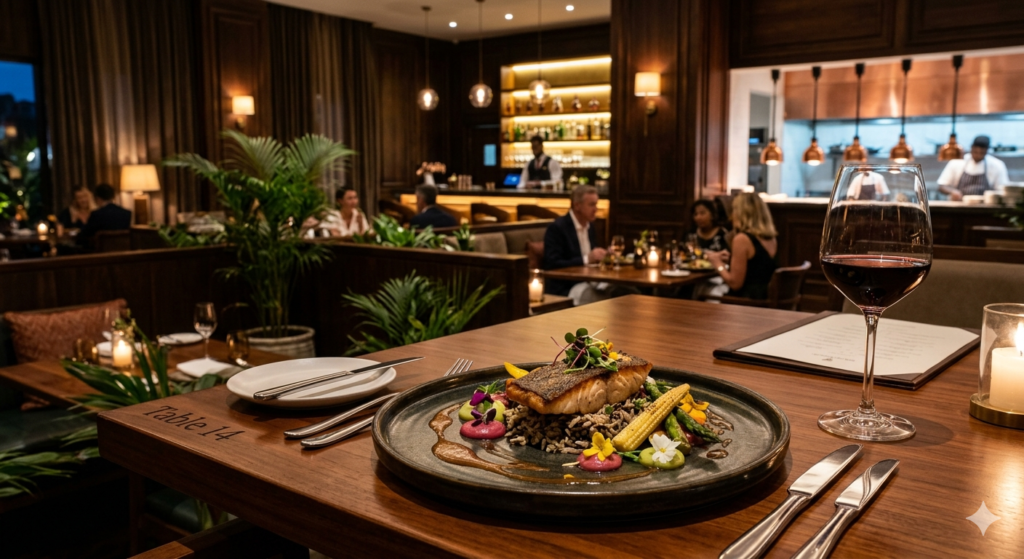
South Africa’s culinary scene is as diverse as its culture, offering a fusion of flavors influenced by African, European, and Asian traditions. La Colombe is internationally acclaimed for its innovative dishes and elegant presentation, providing a fine dining experience that is both artistic and memorable. The Test Kitchen is known for pushing culinary boundaries with creative tasting menus that surprise and delight guests. Meanwhile, Marble Restaurant celebrates South Africa’s love for open-fire cooking, offering a unique dining experience centered around bold flavors and high-quality ingredients.
Must-See Attractions
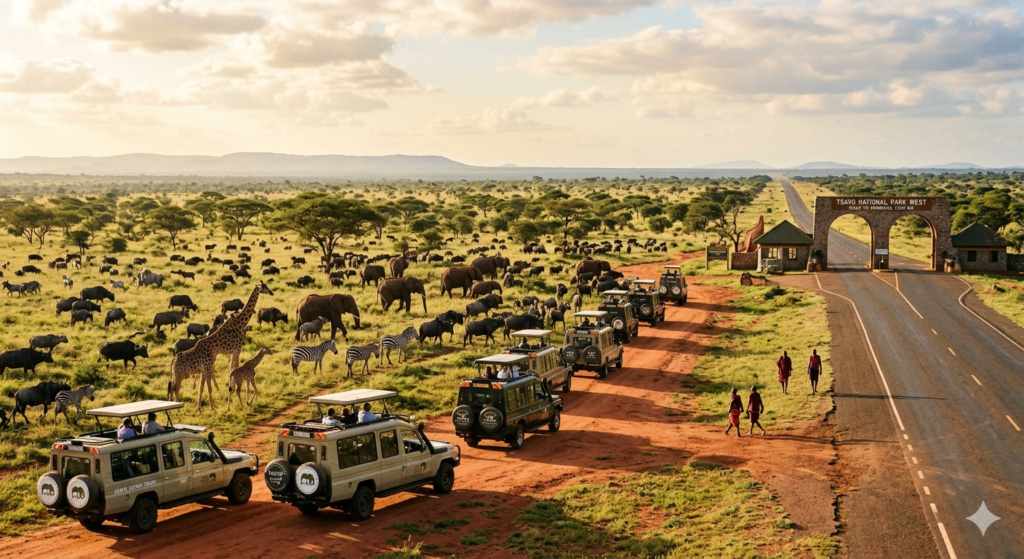
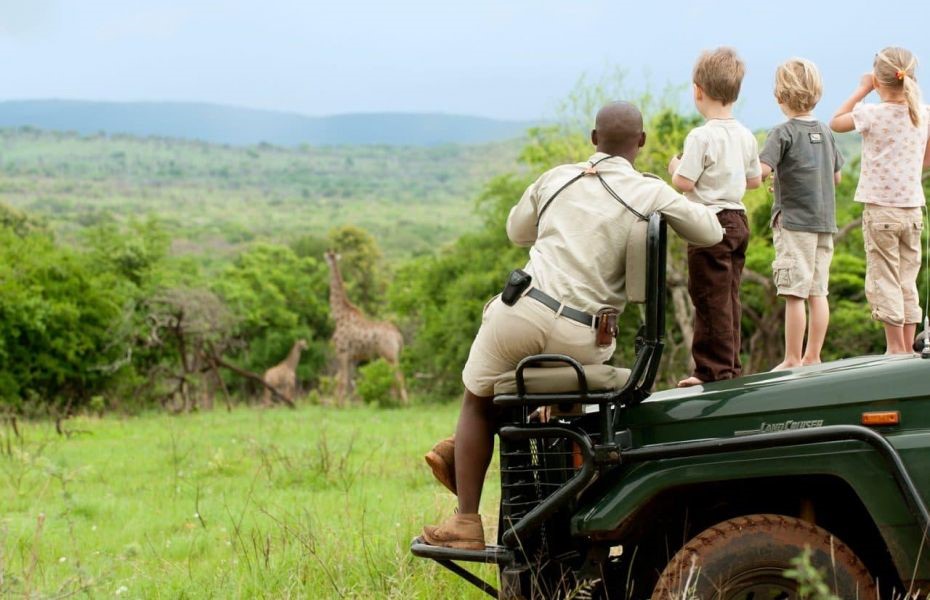
South Africa is home to some of the world’s most remarkable attractions, each offering a unique experience. Kruger National Park is one of Africa’s largest game reserves, where visitors can embark on safaris to see the “Big Five” and other wildlife in their natural habitat. Robben Island, a UNESCO World Heritage Site, holds deep historical significance as the place where Nelson Mandela was imprisoned for many years. Visiting these attractions provides both adventure and a deeper understanding of the country’s history and natural beauty.
Cultural & Historical Sites
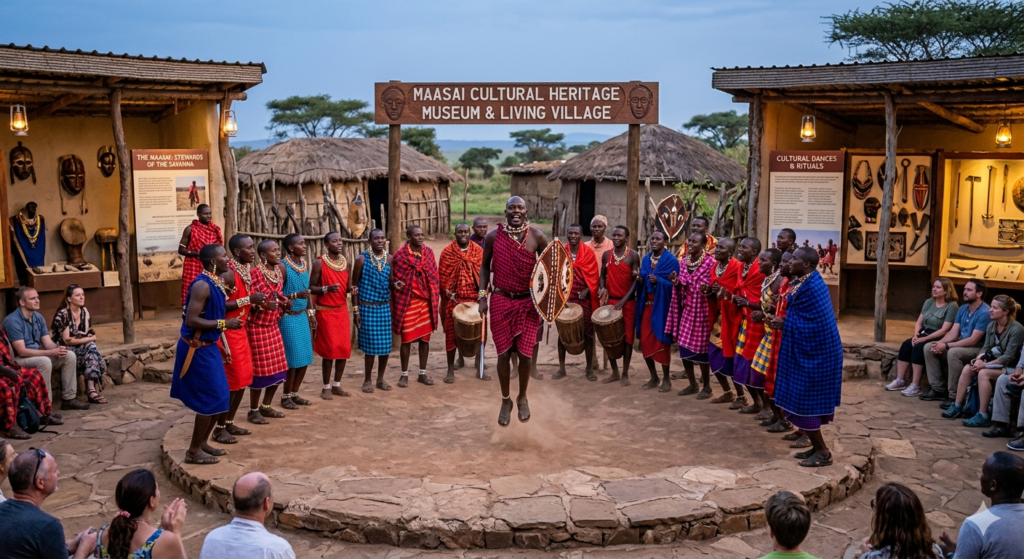
South Africa’s rich cultural heritage is reflected in its many museums and historical sites. The Apartheid Museum offers a powerful and emotional journey through the country’s past, using photographs, artifacts, and personal stories to illustrate the impact of apartheid. Meanwhile, visiting a Zulu Cultural Village allows travellers to experience traditional Zulu customs, music, and dance, providing insight into one of the country’s largest ethnic groups. These sites offer meaningful opportunities to learn about South Africa’s diverse cultural identity.
Coastal & Marine Attractions
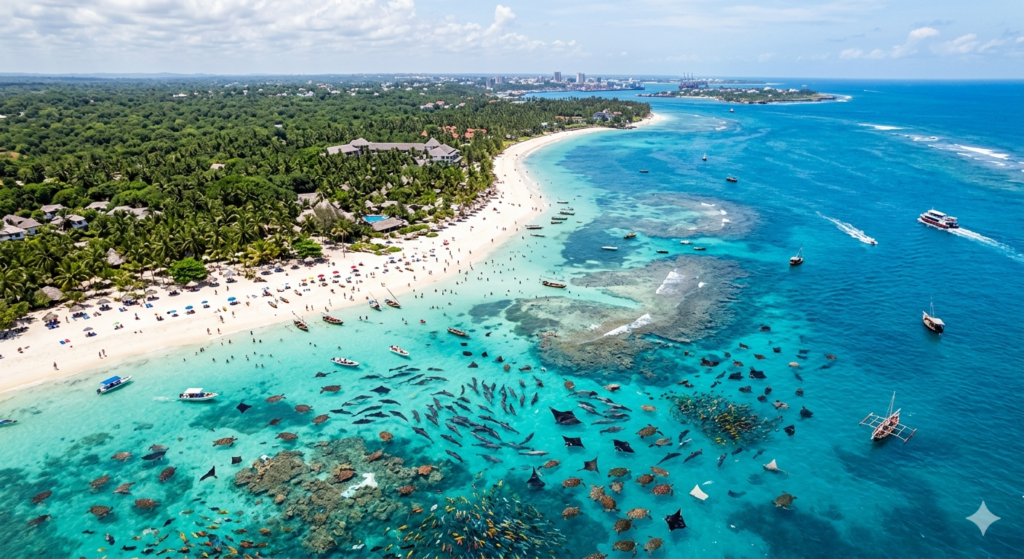
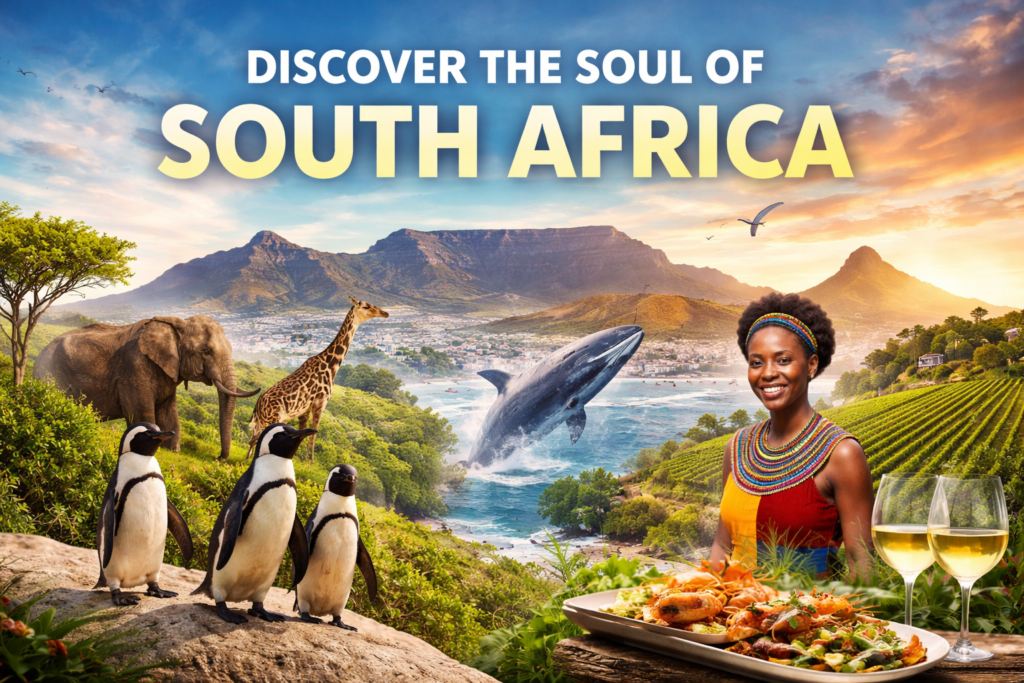
South Africa’s marine environments are just as captivating as its land-based attractions. Hermanus is widely regarded as one of the best whale-watching destinations in the world, where visitors can see southern right whales up close during migration season. Boulders Beach is famous for its colony of African penguins, offering a rare chance to observe these charming creatures in their natural habitat. These coastal and marine attractions highlight the country’s incredible biodiversity and provide unforgettable experiences for nature enthusiasts.
Embrace the Spirit of the Rainbow Nation
South Africa is more than just a destination; it is a profound testament to the resilience of the human spirit and the breathtaking beauty of the natural world. From the echoes of ancient civilizations to the vibrant, multi-cultural pulse of its modern cities, every corner of this land tells a story of transformation. Whether you are standing atop the majestic Table Mountain, tracing the footsteps of history in Soweto, or watching the sunrise over the golden savannah, South Africa promises an experience that will leave you forever changed.
Experience South Africa with Tripzoori
The journey from ancient roots to the modern Rainbow Nation is best navigated with a partner who understands the soul of the country. Tripzoori is the premier travel agency for those seeking more than just a vacation—we offer a gateway to authentic discovery. With our curated itineraries and deep local expertise, we ensure your South African adventure is seamless, enriching, and truly unforgettable.
From luxury vineyard retreats to heart-pounding wildlife safaris, let Tripzoori handle the details while you immerse yourself in the magic of Mzansi.