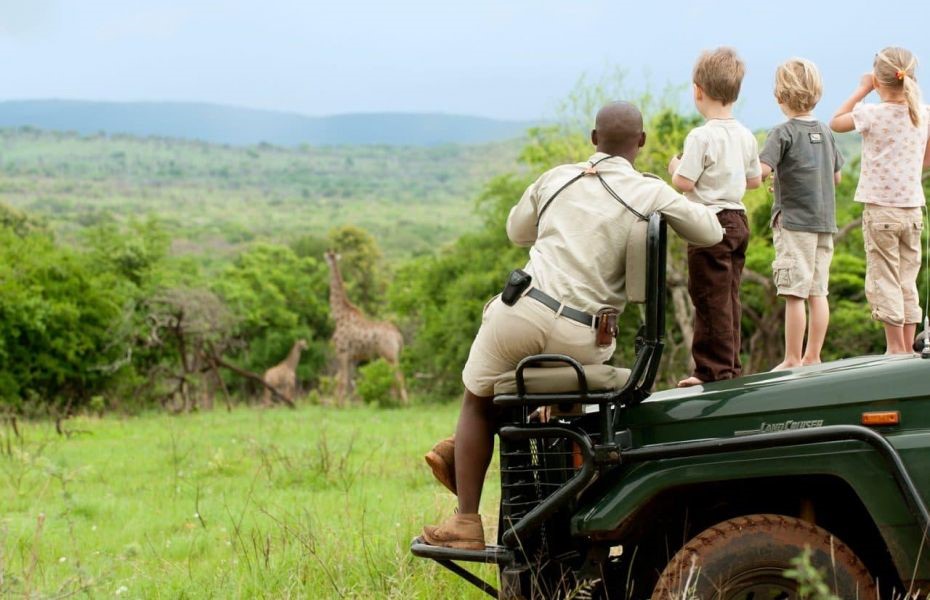
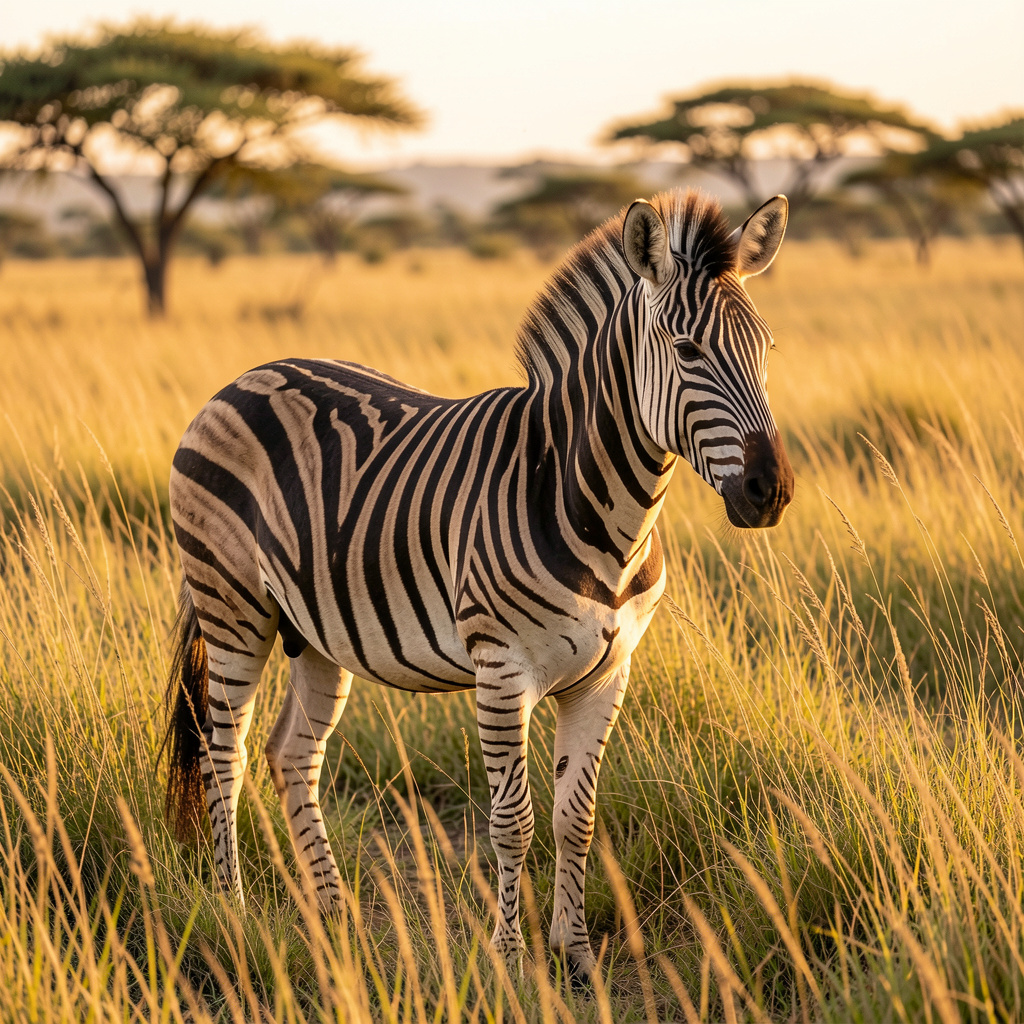
Picture this you’re on safari in Kenya, camera in hand, watching a dazzle of zebras grazing peacefully. Suddenly, someone asks, “Are zebras black or white?” It sounds simple, but this question has puzzled wildlife enthusiasts for generations. Let’s settle this debate once and for all—and give you some fascinating safari knowledge along the way.
Are Zebras Black or White?
Zebras are black with white stripes.
Yes, you read that right! Despite what your eyes might tell you, zebras have a black base coat with white striping patterns overlaid on top.
Why Do Zebras Have Stripes?
So how do scientists know zebras are fundamentally black? The evidence is surprisingly clear.
1. Embryonic development
Zebra embryos start out entirely black in the womb. As they develop, pigment production is selectively inhibited in certain areas, forming white stripes. Think of it as painting white stripes onto a black canvas—not the other way around.
2. Skin color
Beneath their striking fur, a zebra’s skin is black. The white stripes are simply areas where melanin, the pigment responsible for color, is not produced.
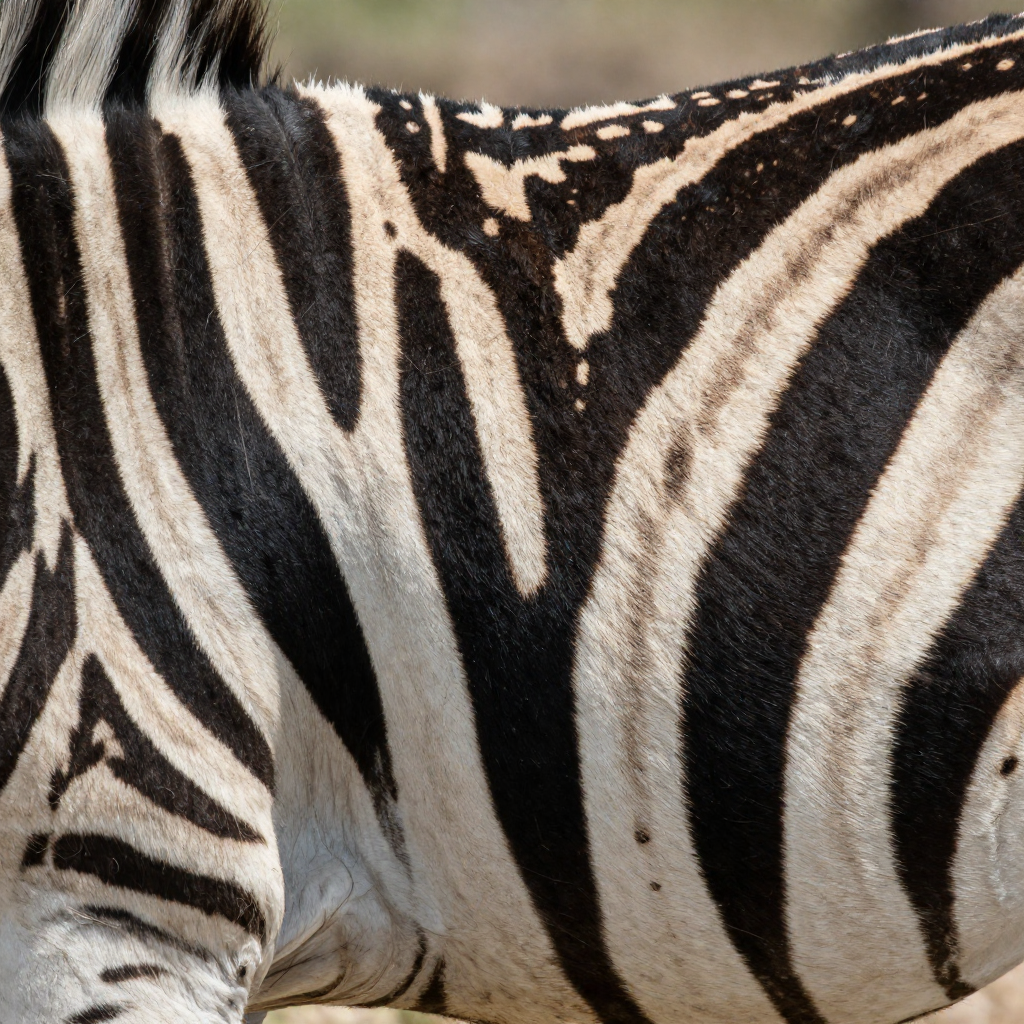
3. Unique Stripe patterns
Each zebra has a distinct stripe arrangement, much like human fingerprints. No two zebras are exactly alike.
Learn more fascinating African wildlife facts on our Tripzoori travel blog.
The Significance of Zebra Stripes
Scientists have proposed several theories to explain the purpose of zebra stripes:
- Fly deterrence: Black-and-white stripes confuse biting insects like tsetse flies and horseflies, making it difficult for them to land.
- Temperature regulation: The contrast between black and white stripes may create micro air currents that help cool the zebra’s body.
- Predator confusion: In herds, stripes create optical illusions, making it harder for predators to single out one individual.
- Social recognition: Each Zebra’s unique pattern may help recognize family members or herd mates.
The most widely supported theory? Stripes are nature’s best fly repellent.
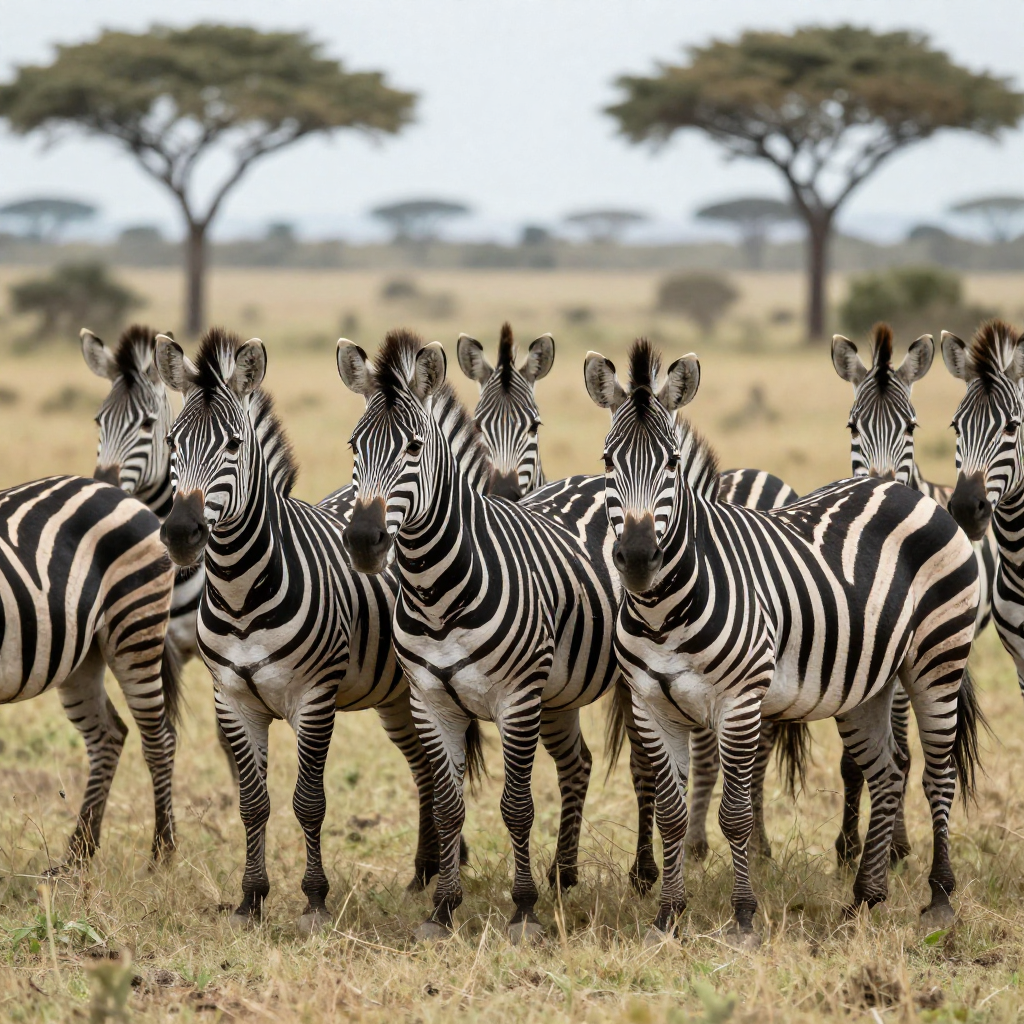
Fun Facts About Zebra Stripes
Here are some fascinating facts to share on your next safari:
- There are no white zebras in the wild—only black zebras with white stripes.
- Shadow stripes: Some zebras have faint brown stripes between the black ones.
- The belly tells all: Most zebras have white, unstriped bellies.
Three Zebra Species, Three Stripe Styles
- Plains zebras: Broad, bold stripes
- Grevy’s zebras: Narrow, closely spaced stripes
- mountain zebras: Grid-like stripe patterns
You can see all three species on our East Africa safari tours
Why This Matters
Understanding that zebras are black with white stripes isn’t just trivia—it highlights evolution in action. Their stripes are the result of millions of years of adaptation, helping zebras survive predators, insects, and harsh African climates.
Next time you watch a wildlife documentary or plan a dream African safari, you’ll have the definitive answer to this classic question—and might even impress your safari guide on your Tanzania wildlife tour!
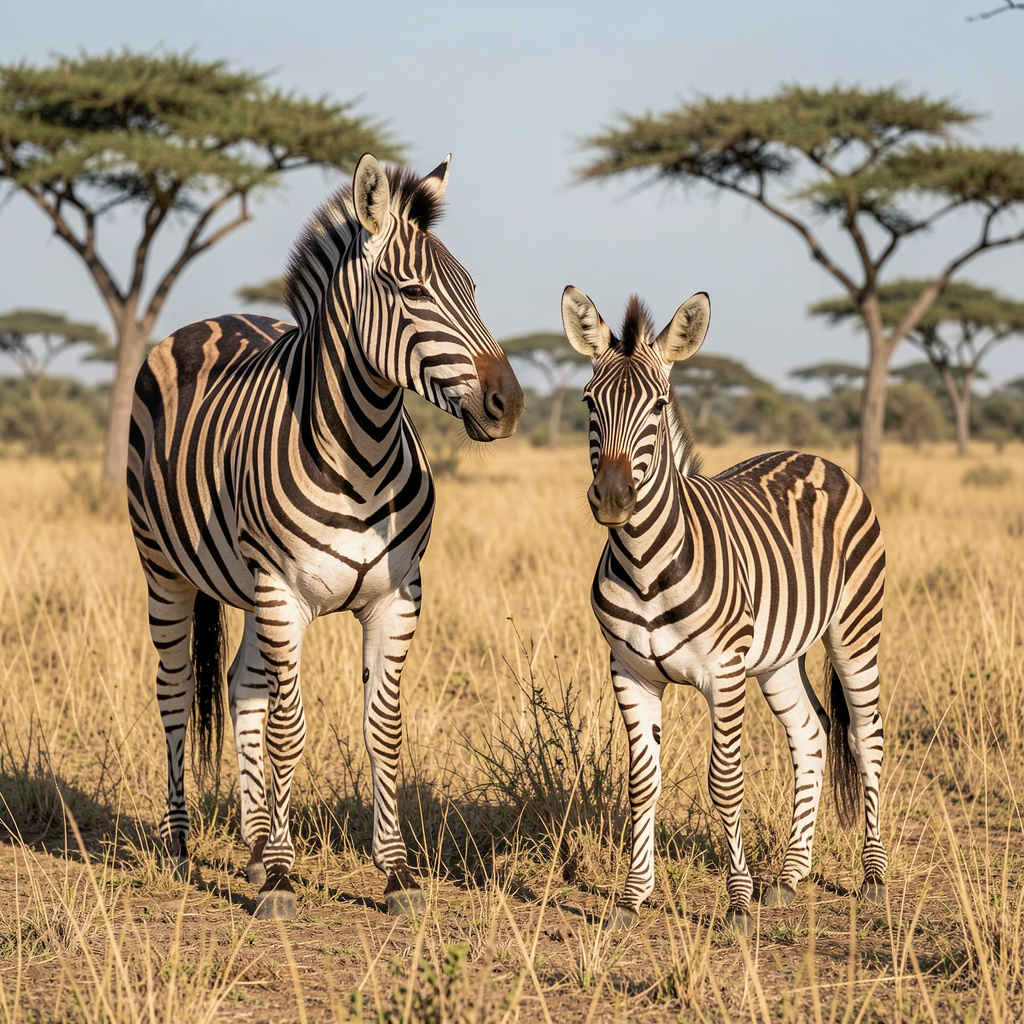
Where to Find Zebras in the Wild
Want to see zebras in their natural habitat? These destinations offer incredible viewing opportunities:
- Maasai Mara, Kenya- Vast savannas filled with grazing zebras
- Serengeti National Park, Tanzania- Home to the Great Migration
- Kruger National Park, South Africa- Excellent year-round sightings
- Etosha National Park, Namibia- Zebras gathering at waterholes
- Amboseli National Park, Kenya- Zebras framed by Mount Kilimanjaro
Browse our curated safari packages or contact our safari experts to design your perfect African adventure.
The Bottom Line
So, are zebras black or white? They are black animals with white stripes. Science, embryology, and skin color all confirm it.
Those iconic stripes aren’t just beautiful—they serve crucial role in repelling insects, confusing predators, regulating body temperature, and supporting social boarding.
Whether it’s your first safari or your tenth, zebras remind us that nature’s designs are always more complex—and fascinating—than they first appear.
Have you ever seen zebras in the wild? Share your safari experiences in the comments below!