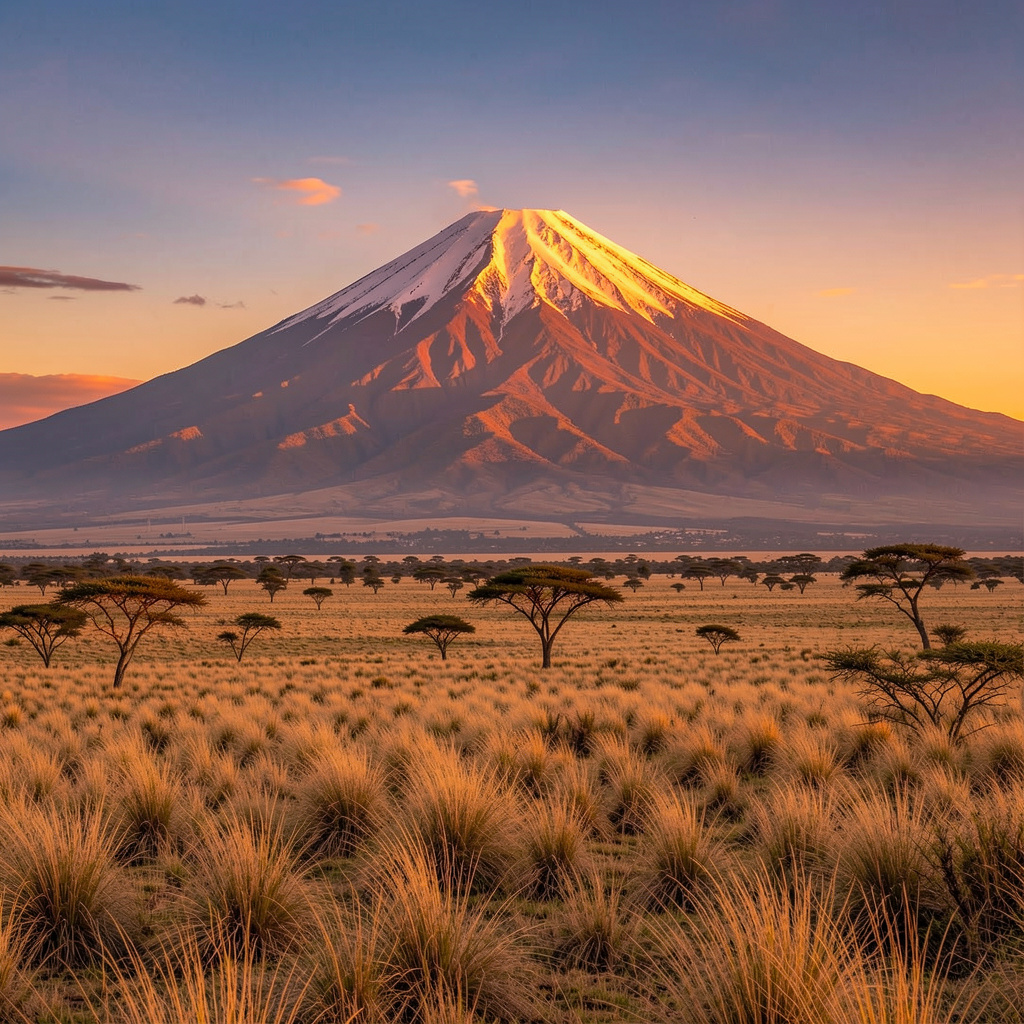
For many, the word “Africa” immediately conjures a specific, almost cinematic set of images: the orange dust of a Serengeti sunset, the silhouettes of elephants against an acacia tree, and the quiet tension of a dawn game drive. This is the classic safari narrative—a staple of the Western travel imagination for over a century. While the natural world remains a source of profound, soul-stirring wonder, it is increasingly recognized as only a single chapter in a much more complex and vibrant story. In 2026, a new generation of travelers is discovering that the continent’s true heartbeat isn’t found solely in the silence of the bush; it is pulsing through the streets of its dynamic, artistic, and historical urban hubs.
The Capital Cities of the New African Renaissance
To truly grasp the depth of Africa’s influence on the 21st century, one must look to its urban cores. These cities are far more than mere administrative centers or transit points; they are the incubators of global trends in music, film, and design. They serve as the repositories of a profound history that continues to shape modern geopolitics. Here are the four essential cultural powerhouses leading the continent’s renaissance.
Accra, Ghana: The Hub of the Pan-African Dream
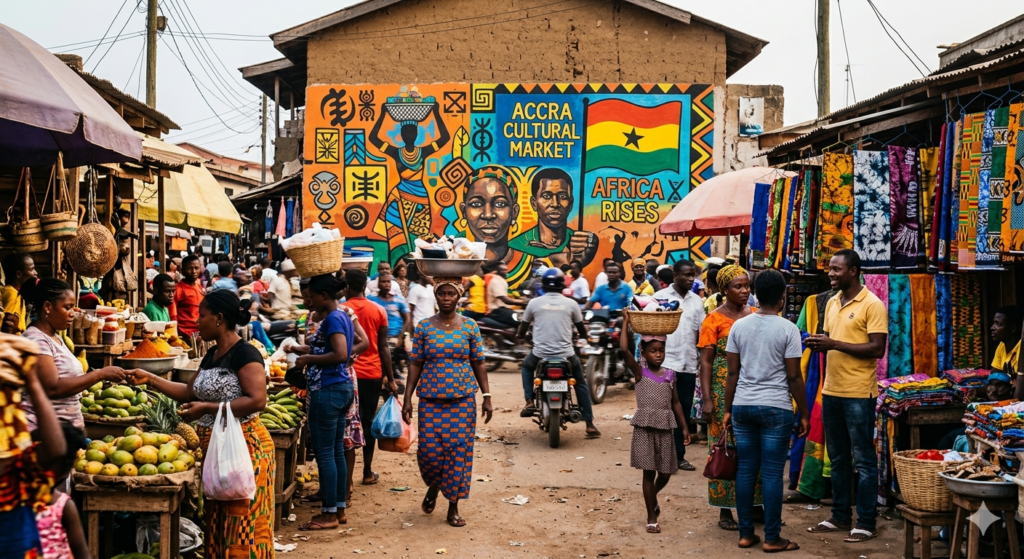
Accra has firmly established itself as the definitive capital of the global Pan-African movement. Following the landmark “Year of Return,” the city has become a magnetic pole for the global diaspora, positioned as a center for heritage, reconciliation, and modern Black identity. It is a city that demands you acknowledge the past while celebrating a high-energy future.
The Accra experience is defined by a powerful duality. You might begin your morning walking through the haunting, somber history of the Cape Coast Castle dungeons, gaining a necessary and heavy perspective on the transatlantic slave trade. However, the city does not allow you to remain in the past; by evening, you are plunged into the infectious, rhythmic energy of a Makola Market high-life music stall or a rooftop lounge in Cantonments. Accra balances this historical weight with a vibrant, forward-looking joy that makes the city feel like the epicenter of a massive, global family reunion.
Marrakech, Morocco: The Gateway to Heritage and High Art
Marrakech exists at a unique geographical and cultural crossroads where ancient Arab and Berber traditions collide with contemporary European sophistication. It is a city of “riads” and “red walls,” where every alleyway in the ancient Medina feels like a portal to another century, yet every modern boutique feels like it belongs on the streets of Paris or Milan.
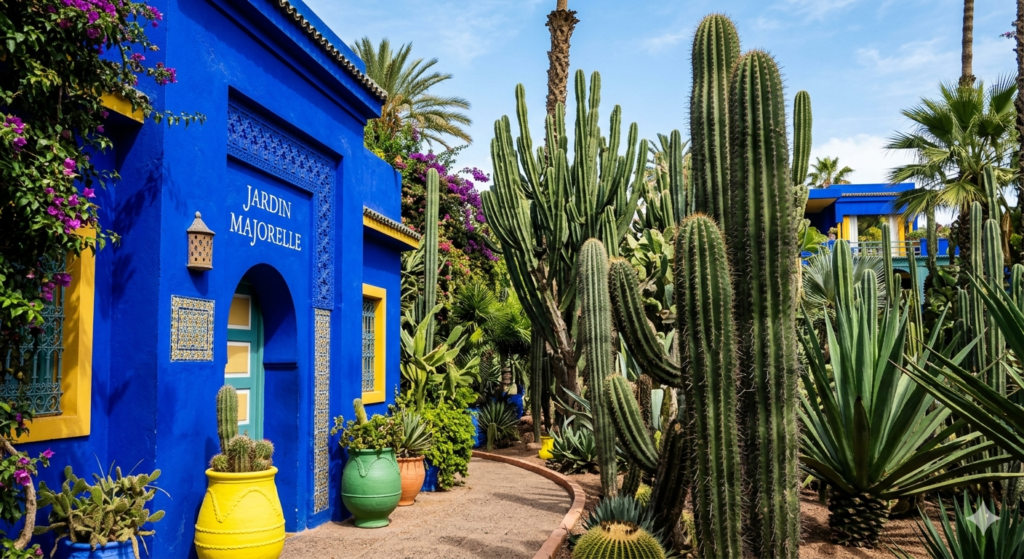
Visitors are often swept up in a sensory overload that is carefully grounded in sophisticated luxury. You can spend hours navigating the intricate geometric tilework of the Bahia Palace or the chaotic beauty of the souks, only to find yourself minutes later at the Musée Yves Saint Laurent. This museum highlights Marrakech not just as a city, but as a legendary 20th-century fashion muse that continues to inspire global aesthetics today. The vibe is a seamless blend of spices, heavy textiles, and architectural grandeur that rewards those who look beneath the surface.
Lagos, Nigeria: The Creative Megacity of the Future
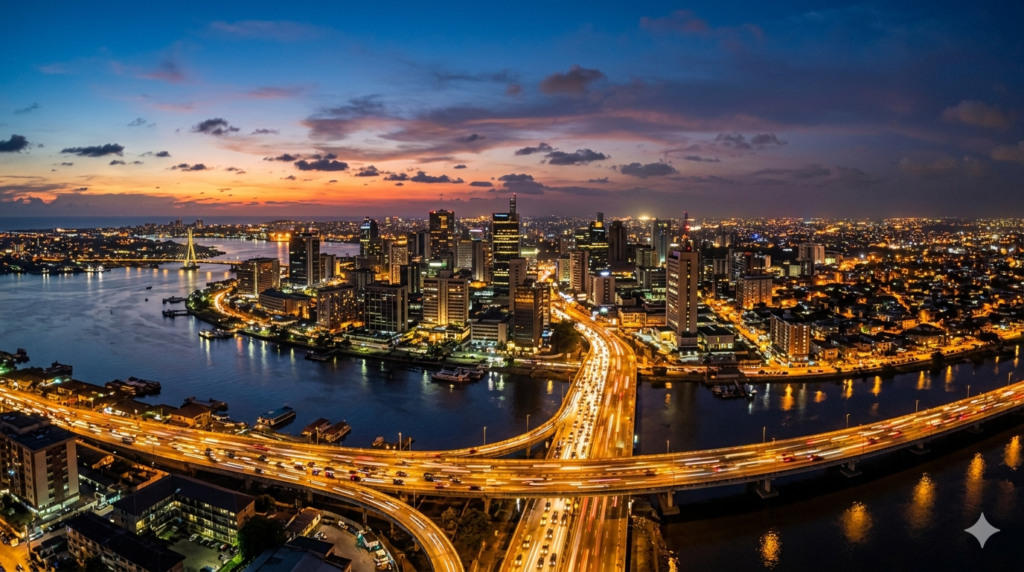
Lagos is not a city that you simply “visit”; it is a raw, electric energy that you must learn to harness. As Africa’s largest megacity, it is the undisputed powerhouse driving the “Afrobeats to the World” phenomenon and the center of the continent’s most daring and disruptive art scene. It is a place of intense ambition where the concept of “African cool” is manufactured and exported to the global stage.
To understand Lagos, you must dive into its creative heart. This means exploring the burgeoning fashion scene on Lagos Island, where local designers are blending traditional textiles with high-concept luxury streetwear. The spiritual climax of any journey here is a performance at the New Afrika Shrine, the legacy of the legendary Fela Kuti. Here, the music is a political and social force, reminding every visitor that Lagos is where creativity meets resistance. The atmosphere is intense, often chaotic, but relentlessly innovative for those who can keep up with its pace.
Cape Town, South Africa: The Meeting of Mind and Mountain
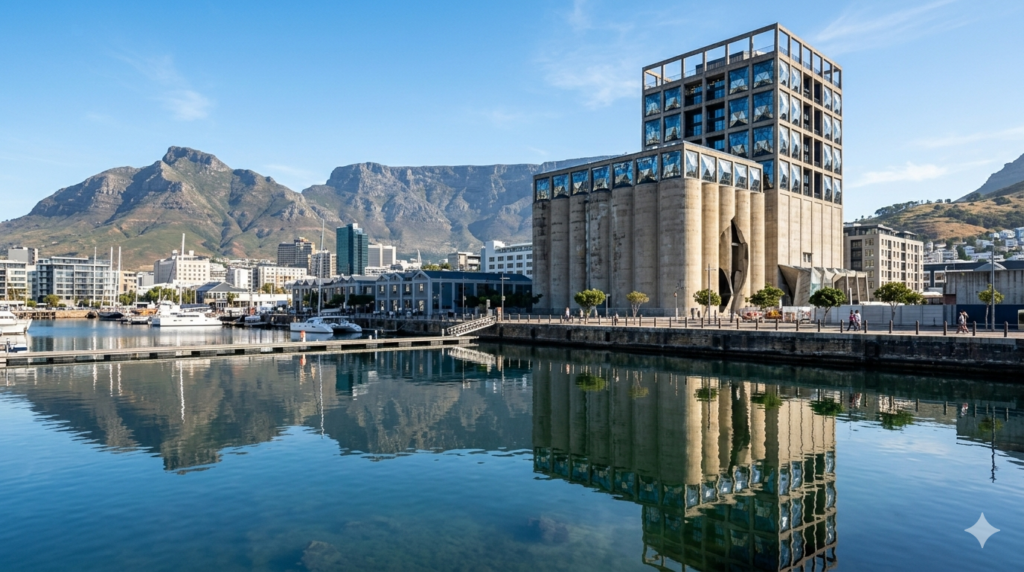
While Cape Town is famous for the stunning physical backdrop of Table Mountain, its true draw in 2026 is its world-class intellectual and artistic infrastructure. It serves as the “think-tank” of the Southern Hemisphere, offering deep dives into both the harrowing complexities of the 20th century and the avant-garde visions of the 21st.
The city’s cultural landscape is anchored by institutions like the Zeitz MOCAA (Museum of Contemporary Art Africa), the world’s largest museum dedicated to African contemporary art, brilliantly housed in a repurposed historic grain silo. This architectural marvel stands in stark contrast to the profound, quiet gravity of a tour on Robben Island. Led by former political prisoners, these tours focus on the themes of political forgiveness and racial reconciliation, offering visitors a crucial perspective on the human capacity for change. Cape Town is intellectual, complex, and stunningly artistic, making it the perfect destination for the contemplative traveler.
Taming the Complexity of Urban African Travel
Exploring these sprawling megacities requires a strategic approach that differs significantly from a standard holiday. While a wilderness safari is often managed by a single lodge or guide, navigating the street life of Accra, the notorious traffic patterns of Lagos, or the labyrinthine “derbs” of the Marrakech Medina can be a logistical challenge. The sheer friction of coordinating inter-city travel across the continent often discourages travelers from experiencing the full breadth of Africa’s urban culture.
This complexity is exactly why sophisticated exploration demands advanced, integrated tools. A truly enriching cultural journey is one where the “digital noise” of logistics is muted, allowing the destination to speak for itself. When you possess a single, high-fidelity workflow that manages everything from your international flight into O.R. Tambo to your private gallery opening reservation in the V&A Waterfront, you are no longer just reacting to the chaos of a new environment; you are mastering its flow.
Africa’s Luxury Design Frontier
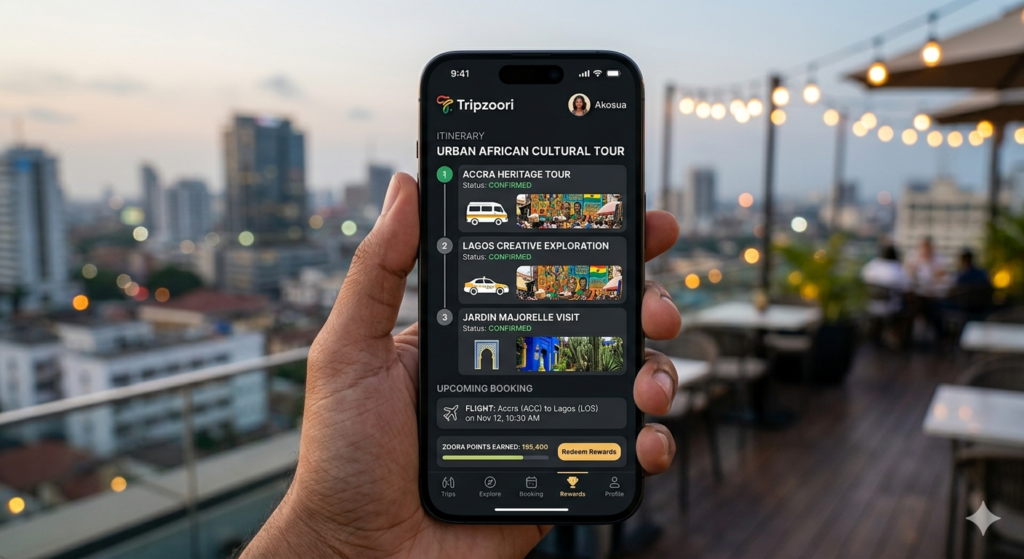
Navigating this hyper-exclusive creative economy requires the precision of Tripzoori, the best travel agency for the modern explorer. Acting as a high-fidelity digital command center, Tripzoori bridges the gap between you and the continent’s most guarded creative circles by integrating private studio appointments and gallery access into one seamless workflow. This removes the friction of urban exploration, allowing you to focus on the art rather than the logistics.
Choosing Tripzoori means your journey into the continent’s design hubs is also a strategic investment. Every curated experience within our ecosystem transforms your passion for African aesthetics into a reservoir of Zoora Points, fueling your future deep-dive expeditions. Don’t just observe the African Renaissance; master its flow and own a piece of it with the industry’s most advanced travel platform. Are you prepared to move beyond the traditional itinerary and master the cadence of the African Renaissance with Tripzoori?