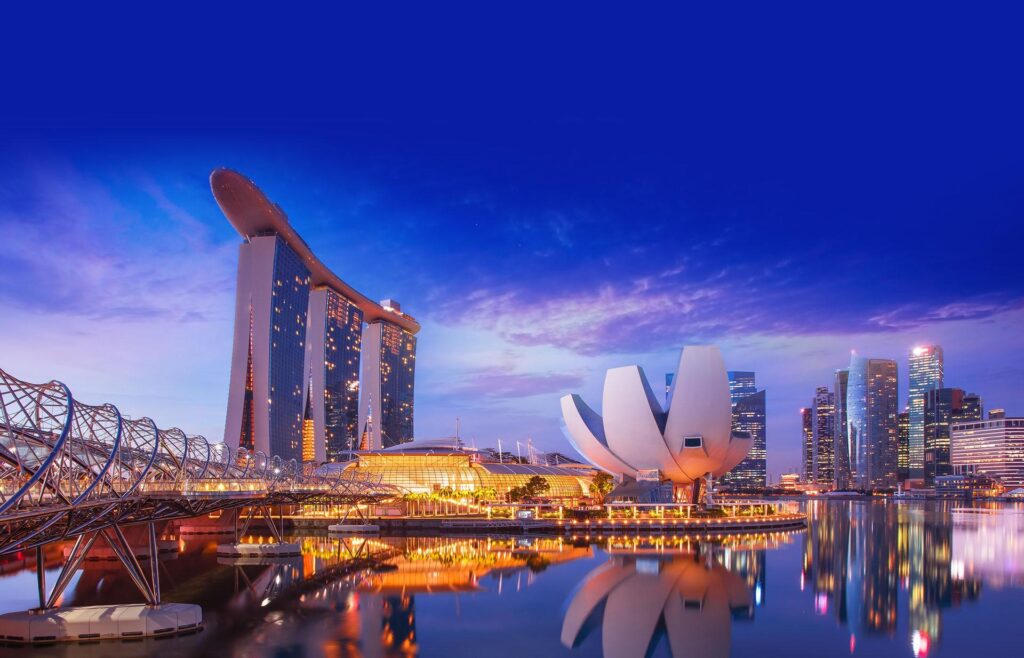
From Ancient Roots to Modern Marvels: Singapore’s Journey Through Time

Singapore, a vibrant island nation in Southeast Asia, has a story as fascinating as its skyline. From its ancient roots as a small fishing settlement to its rise as a global economic and cultural powerhouse, Singapore blends history, tradition, and modern innovation. Its unique combination of rich heritage, modern architecture, and natural beauty makes it a must-visit destination for travellers around the world. In this blog, we will explore Singapore’s history, attractions, hotels, restaurants, shopping, and cultural highlights to give you a complete picture of the Lion City.

Ancient and Prehistorical Period
Neolithic stone tools discovered in Singapore showing early human activity

Long before the city-state became a global hub, Singapore was home to early settlers dating back over 10,000 years. Archaeological excavations have uncovered stone tools, pottery, and other artifacts that provide a glimpse into the lives of these ancient communities. The earliest inhabitants relied on fishing, hunting, and small-scale trade with neighboring islands and regions. These prehistorical settlements laid the foundation for Singapore’s future as an important trading port, highlighting the island’s strategic location and natural resources even in ancient times.

Colonial Period

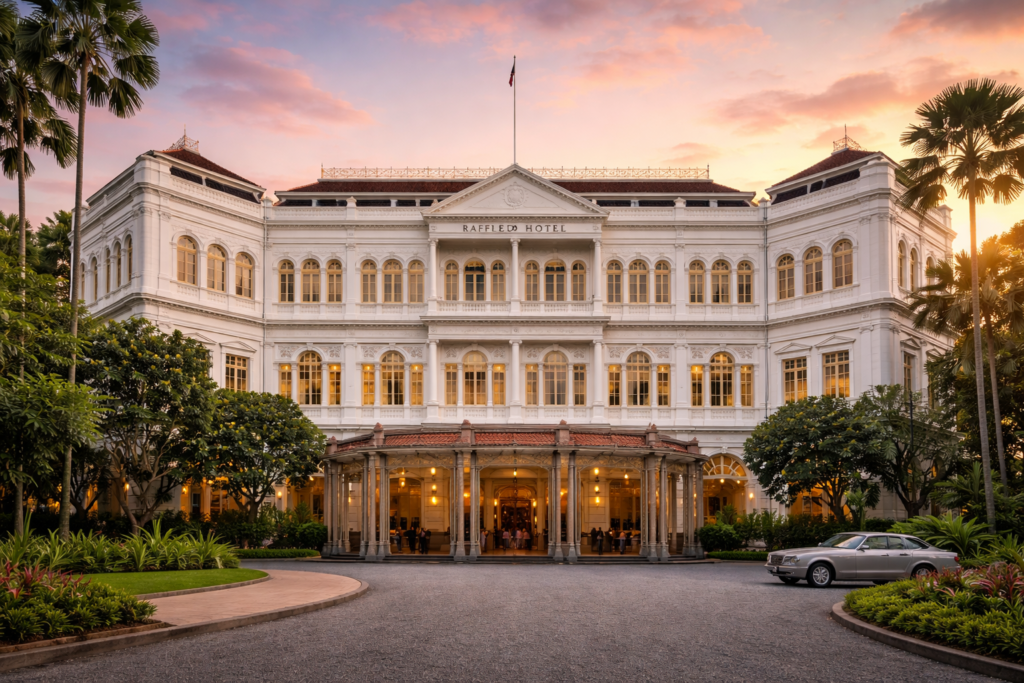
The modern history of Singapore began in 1819 when Sir Stamford Raffles established it as a British trading post. Recognizing its strategic location along the Straits of Malacca, the British developed Singapore into a key port for regional trade. During this period, the island saw an influx of migrants from China, India, and the Malay Archipelago, each bringing their own culture, traditions, and skills. Colonial architecture from this era, such as the Raffles Hotel, still stands today, providing visitors with a tangible connection to Singapore’s early growth as a cosmopolitan trading center.

The historic Raffles Hotel in Singapore with its colonial architecture and iconic façade.
Japanese Occupation

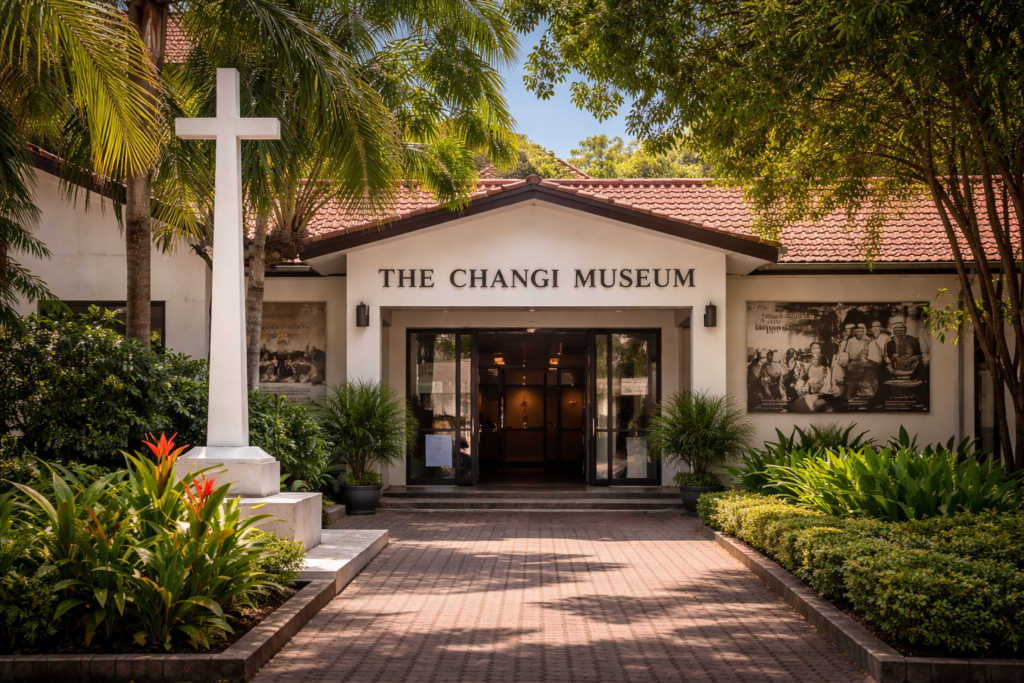
World War II brought a dark chapter to Singapore’s history. In 1942, Japanese forces captured the island, and Singapore remained under occupation until 1945. This period was marked by extreme hardship, including food shortages, forced labor, and widespread fear among the population. Despite the suffering, the people of Singapore demonstrated resilience and perseverance. Today, museums like the Changi Museum commemorate this era, educating visitors about the challenges faced during the Japanese occupation and honoring the memories of those who endured it.

Entrance of Changi Museum in Singapore, dedicated to World War II history.
 Post-War British Rule

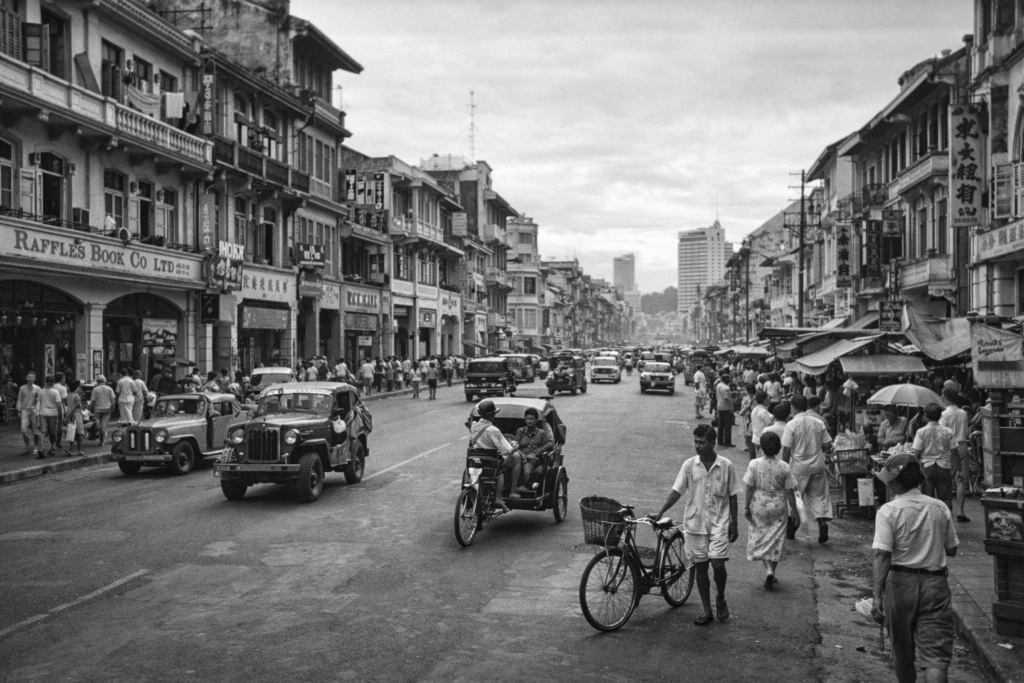
After the Japanese surrender in 1945, Singapore returned to British control. During this post-war period, the British focused on rebuilding the island’s infrastructure and civil administration. At the same time, political movements gained momentum, with Singaporeans seeking greater self-governance and participation in the decision-making process. The post-war era laid the groundwork for eventual independence, with education, public health, and urban development taking center stage as the island prepared for a new chapter

Historical black-and-white photo of Singapore streets during the post-war British era.
Independent Singapore

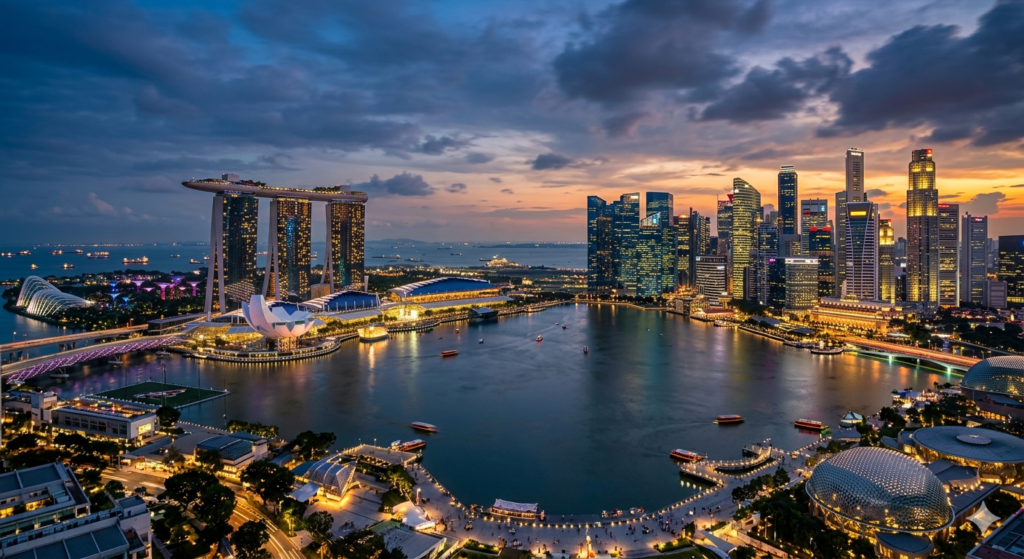
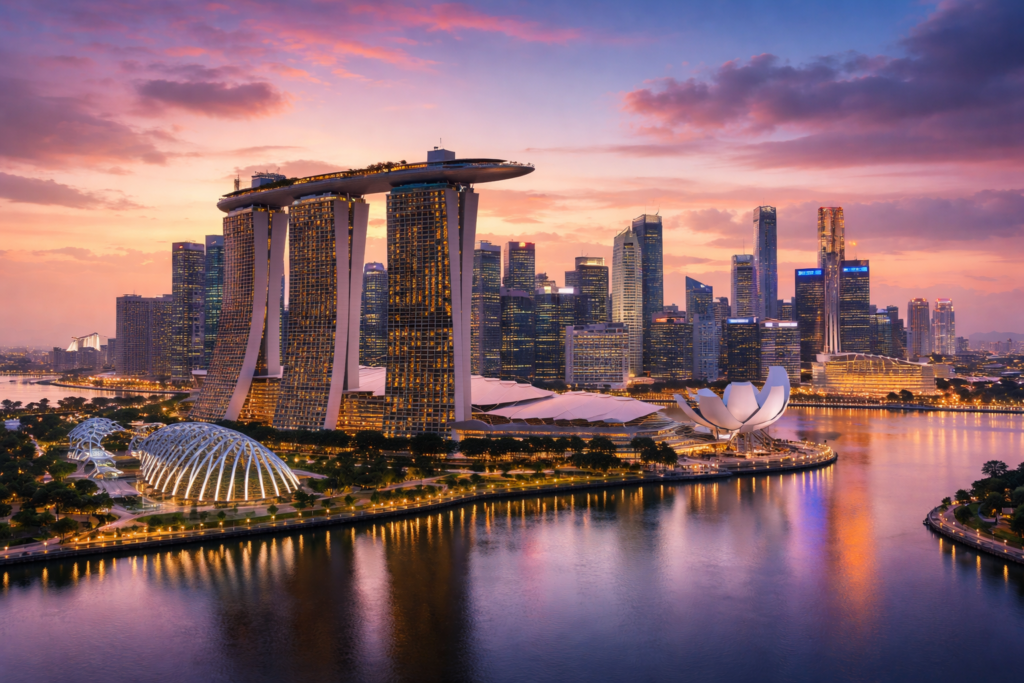
Singapore achieved self-governance in 1959 and full independence in 1965, emerging as a sovereign nation under the leadership of Lee Kuan Yew. The country embarked on a remarkable journey of economic growth, urban planning, and social development. Policies focused on industrialization, education, and public housing transformed Singapore into a modern metropolis. Today, Singapore is celebrated as a global financial hub, renowned for its clean streets, safety, and world-class infrastructure, blending a rich cultural heritage with cutting-edge innovation.

Modern Singapore skyline representing the city’s transformation after independence.
Hotels in Singapore

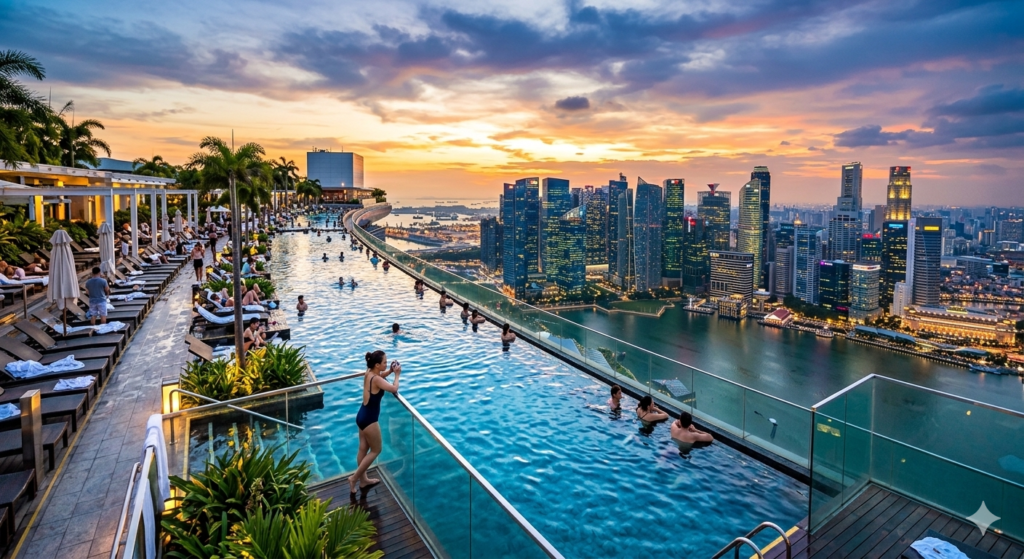
Singapore offers accommodation that caters to every type of traveler, from luxury seekers to budget-conscious tourists. Marina Bay Sands is one of the most iconic hotels, famous for its rooftop infinity pool overlooking the skyline. For those seeking a glimpse into colonial history, Raffles Hotel combines elegance with timeless charm. The Fullerton Hotel offers a refined heritage experience in the heart of the city, while Capella Singapore on Sentosa Island provides a tranquil retreat amidst lush greenery. Whether you want luxury, history, or serenity, Singapore’s hotels deliver world-class hospitality

Rooftop infinity pool at Marina Bay Sands with panoramic views of Singapore city
Restaurants in Singapore

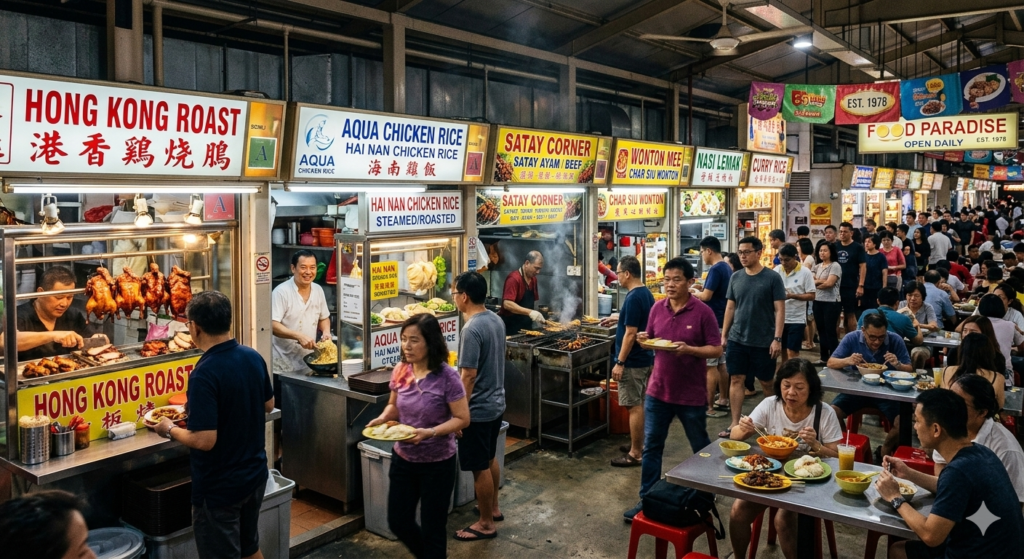
Food is at the heart of Singapore’s culture, and the city is a paradise for food lovers. Hawker centers like Maxwell Food Centre provide affordable and authentic local dishes such as Hainanese chicken rice and laksa. For seafood lovers, Jumbo Seafood is famous for its Singapore-style chili crab. Fine dining is also well-represented, with Odette offering Michelin-starred French cuisine with a local twist. Meanwhile, Din Tai Fung serves world-renowned xiao long bao (soup dumplings). The variety reflects Singapore’s multicultural heritage and its global culinary reputation.

Colorful food stalls at Maxwell Food Centre with local Singaporean dishes on display.
Attractions in Singapore

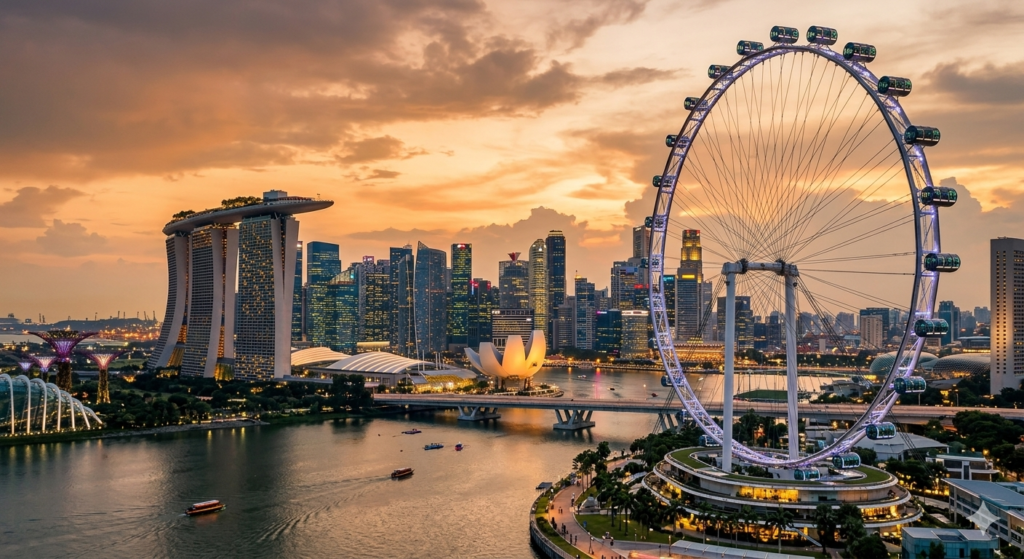
Singapore’s attractions combine modern innovation with cultural significance. Gardens by the Bay features futuristic gardens and the stunning Supertree Grove, offering both daytime exploration and nightly light shows. Marina Bay Sands SkyPark provides panoramic views of the city skyline, while the Singapore Flyer allows visitors to see the city from one of the world’s largest observation wheels. Sentosa Island offers a mix of beaches, theme parks, and entertainment, making it a favorite destination for families and thrill-seekers alike.

The futuristic Supertrees at Gardens by the Bay illuminated at night.
Nature and Outdoor Attractions

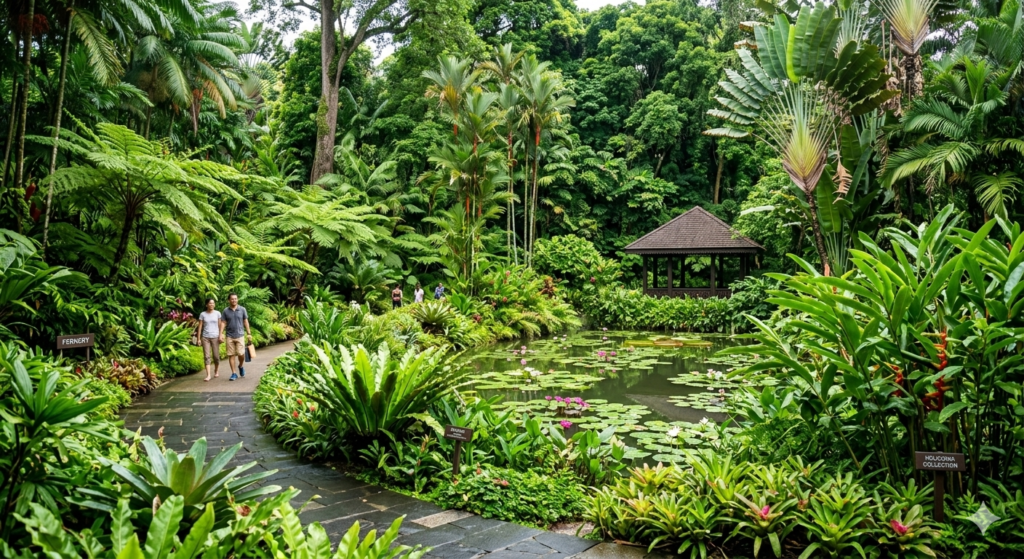
Despite its urban landscape, Singapore has preserved and celebrated nature. Singapore Botanic Gardens, a UNESCO World Heritage site, showcases tropical flora and peaceful walking paths. Pulau Ubin offers a glimpse into traditional village life with cycling and hiking trails. MacRitchie Reservoir provides nature lovers with treetop walks, kayaking, and wildlife spotting, while Bukit Timah Nature Reserve preserves primary rainforest, home to monkeys, birds, and native plant species. These outdoor spaces balance the city’s modernity with natural tranquility.

Lush tropical greenery and walking paths at Singapore Botanic Gardens.
Shopping Destinations

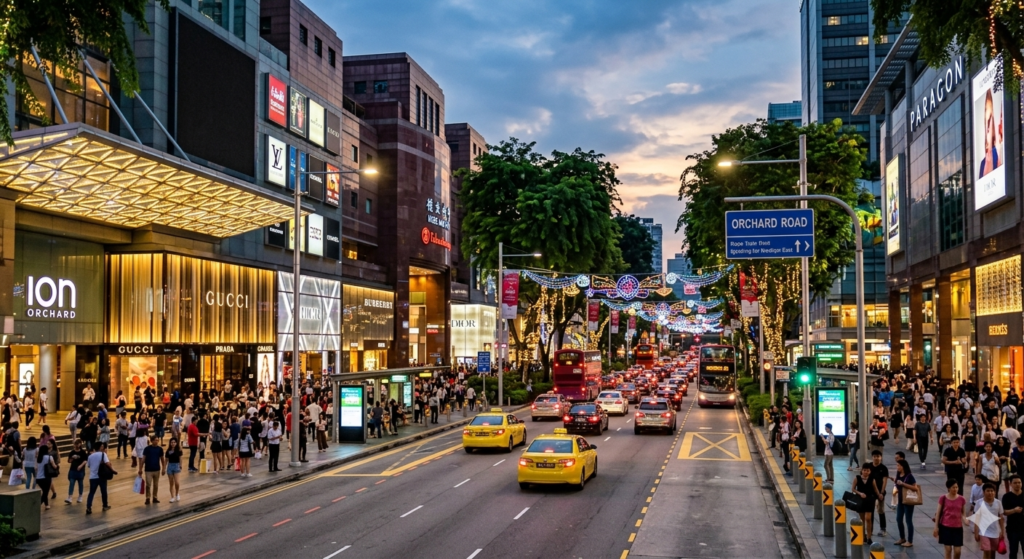
Shopping in Singapore caters to every taste and budget. Orchard Road is famous for luxury brands and high-end malls, while Bugis Street Market offers affordable fashion, souvenirs, and street food. VivoCity, the largest retail destination, combines shopping with entertainment, and Marina Bay Sands Shoppes provides a luxury shopping experience with scenic waterfront views. The city’s shopping culture is vibrant and diverse, reflecting its global appeal

Busy shopping street of Orchard Road with high-end stores and shoppers.
Cultural and Historical Areas

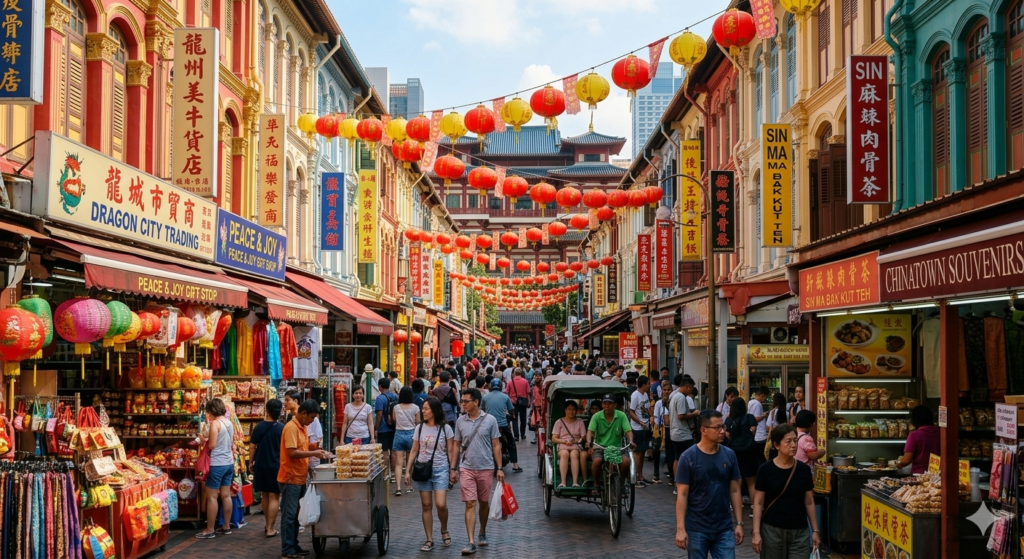
Singapore’s neighbour hoods preserve its rich cultural tapestry. Chinatown boasts temples, street markets, and traditional shops, reflecting the Chinese community’s influence. Little India offers colorful streets, spice markets, and Indian cuisine, while Kampong Glam celebrates Malay heritage with the Sultan Mosque and trendy cafés. The National Museum of Singapore provides a comprehensive overview of the country’s history, from early settlements to modern independence. These areas offer both education and cultural immersion for visitors.

Vibrant streets of Chinatown in Singapore with traditional shops and lanterns.
Art and Entertainment

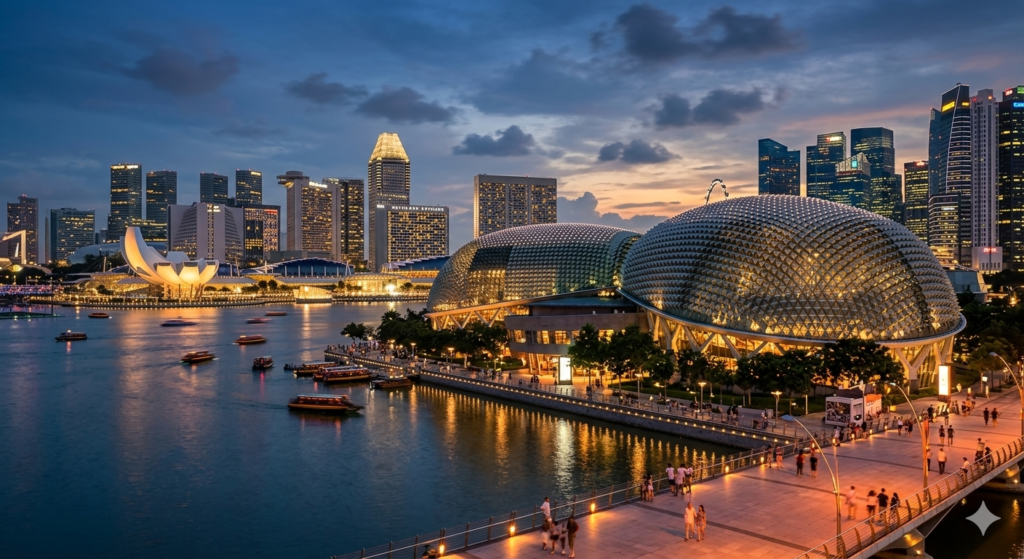
Art and entertainment thrive across Singapore. Esplanade – Theatres on the Bay hosts world-class concerts, theatre, and dance performances, while the Art Science Museum blends interactive exhibits with technology and creativity. Classical music enthusiasts can enjoy performances by the Singapore Symphony Orchestra, and street art in Haji Lane adds a colourful, contemporary touch. Singapore’s art scene bridges traditional and modern, offering something for every type of visitor.

Theatres on the Bay with its iconic durian-shaped architecture.
Where Timeless Tradition Meets Tomorrow’s Skyline

Singapore is a city where history meets modernity, and tradition blends seamlessly with innovation. From its ancient roots to its modern skyline, Singapore offers experiences that satisfy every traveller—whether exploring historical neighbourhoods, indulging in culinary delights, relaxing in nature, or shopping in world-class malls. Its rich cultural heritage, impressive infrastructure, and diverse attractions make visiting Singapore more than just a trip—it’s an immersive journey through time, culture, and unforgettable experiences.


Elevate Your Adventure with Tripzoori

To truly experience the heartbeat of the Lion City, you need more than a map; you need a curator. Tripzoori transforms standard vacations into bespoke journeys, blending local expertise with high-end service. Whether you’re chasing the best laksa in a hidden hawker center or seeking a VIP view of the city’s architectural marvels, Tripzoori bridges the gap between being a tourist and being a traveler.

With a focus on seamless logistics and authentic cultural immersion, Tripzoori handles the details so you can focus on the memories.

Contact us:
Phone: +254 733 220044
Email:info@tripzoori.com
 
Connect with us online:

Leave a Comment

Your email address will not be published. Required fields are marked *